








Smart ring for running: what it adds to your running watch
A ring will not track your pace or distance, but it can show how well you recover between runs. Here is how a smart ring and a running watch work together, and what the research says about HRV-guided training.

In this article
A smart ring for running does not replace your running watch. A ring has no GPS, so it cannot track pace, distance or routes. What it adds is the other half of training: how well you slept and recovered. Overnight HRV and resting heart rate show how your body is coping with your training. That helps you decide when to push and when to ease off.
Below: what each device does best, and what the research says about using HRV to guide training. Then a simple weekly routine that puts both to work.
Key takeaways
- Your watch records the run. A ring records the recovery between runs. They do different jobs.
- PulseRing Pro has no GPS and does not track pace, distance or routes. Keep your watch or phone for that.
- HRV-guided training can match or slightly beat a fixed plan in studies. It often uses fewer hard sessions.
- Look at trends over a week or more, not single mornings. One low reading is normal; several in a row is a signal.
- Sleep is part of training. Sleep loss is linked to worse performance and can mimic signs of overtraining.
Is a smart ring good for running?
A smart ring is good for the part of running that happens off the road. It is light and sits still on your finger overnight. It is also easy to keep on every night, which is when the most useful recovery data is collected. It is not designed to be your main tool during a run.
Here is how the two roles split:
| Job | Running watch | Smart ring (PulseRing Pro) |
|---|---|---|
| Pace, distance and route | Yes, with built-in GPS on many models | No, there is no GPS |
| Live heart rate on screen during a run | Yes | No screen |
| Overnight HRV and resting heart rate | On many models, if you wear it to bed | Yes, the main focus |
| Sleep stages | On many models | Yes |
| Morning readiness answer | Varies by brand | One score and one sentence: push, maintain or rest |
| Comfort in bed | Bulkier; some people take it off | Small and light, about 4 grams |
Many runners end up using both: the watch for sessions, the ring for nights. The watch can then charge overnight, and you still get complete sleep data.
What can a smart ring tell a runner?
A ring's value for running comes from three overnight measures, read against your own normal.
Resting heart rate
Your overnight resting heart rate tends to drift up when you are tired, unwell, stressed or short of sleep. It tends to settle lower as your fitness improves over months. A rise of a few beats above your usual level, lasting more than a day or two, is worth noticing. Our guide to normal resting heart rate explains the typical ranges and what changes can mean.
Heart rate variability (HRV)
HRV is the small variation in time between heartbeats. Higher values against your own baseline usually point to good recovery. A sustained drop often follows hard training, poor sleep, alcohol or illness. HRV is very individual, so the only comparison that matters is with yourself. See what a good HRV is for more on reading it.
Sleep
Total sleep time and regularity matter more than the exact split between deep and REM sleep. A review in Sports Medicine linked sleep loss to reduced sport-specific performance in athletes. It also found poor sleep may push the nervous system out of balance. The result can resemble the symptoms of overtraining.
Does HRV-guided training work for runners?
The idea behind HRV-guided training is simple. You do your hard sessions on days when your HRV is at or above your normal range. When it is clearly below, you swap them for easy running or rest. Researchers have tested this in several trials of endurance training.
Two systematic reviews pulled those trials together:
- A 2021 meta-analysis in the Journal of Science and Medicine in Sport looked at 8 studies with 198 participants. Compared with a fixed plan, most HRV-guided groups did fewer moderate and high-intensity sessions. HRV guidance had a medium-sized benefit on submaximal fitness measures. Its effect on performance was small and not significant. It also had fewer non-responders, people whose performance did not improve.
- Another 2021 meta-analysis found HRV-guided training beat a fixed plan for improving vagal-related HRV. It had a small edge for fitness and endurance performance, but that was not statistically significant. The authors concluded that any advantage for group-level performance is small.
The honest summary: HRV-guided training is not a shortcut to big gains. It can deliver similar or slightly better results with fewer hard days. It may also reduce the chance that you dig yourself into a hole. For a recreational runner balancing work, family and sleep, that is a useful trade.
The research also has limits. The second review's authors say several questions still need more study. They include the best HRV measure, the recording position, and how to set a baseline and judge daily changes. A ring's numbers are estimates too. PulseRing Pro's HRV and sleep staging have not been independently validated. So treat its readiness score as one input alongside how your legs and mood feel, not as an order.
How to use readiness and HRV in a running week
A ring gives you one more piece of information each morning. Here is a simple way to use it without letting it run your training.
- Wear it every night for two weeks before acting on it. PulseRing Pro builds a personal baseline over roughly two weeks. Until then, train as planned and let the data settle.
- Keep your easy runs easy. A readiness score only helps if your easy days really are easy. Our guide to zone 2 training explains how to use heart rate zones on your watch for this.
- Check the morning answer before a hard session. If your readiness says push and you feel good, do the session. If it says rest, swap the intervals for an easy run, a walk or a day off. Move the hard session back a day.
- Look for patterns, not single mornings. One low HRV after a late night is normal. A run of low readings with a rising resting heart rate over several days is a sign to cut back.
- Review the week, not the day. Compare your weekly trend with your training load. If recovery keeps sliding during a big block, plan a lighter week.
Research on elite athletes points the same way. A review of HRV in elite endurance athletes recommends rolling averages rather than single daily values. It notes that each athlete has an individual HRV pattern that only long-term monitoring reveals. Our guide to readiness scores covers how these morning scores are built.
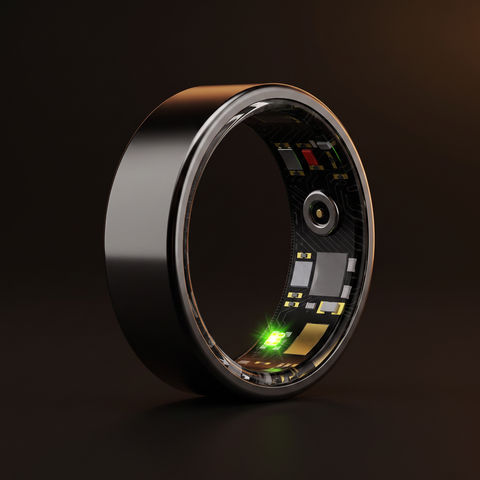
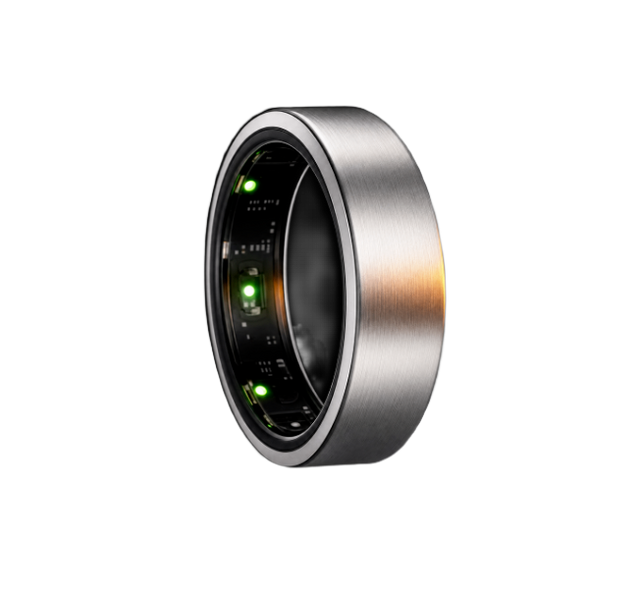
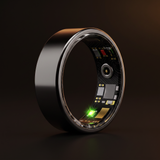
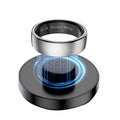
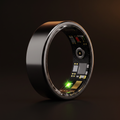
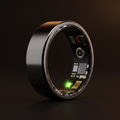
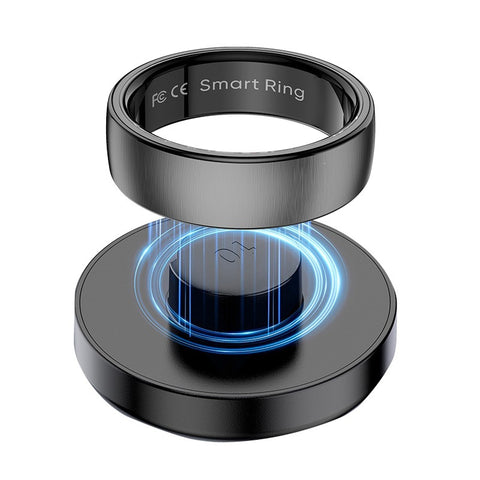
PulseRing Pro does the overnight half of your training. It reads heart rate, HRV, blood oxygen and sleep stages while you sleep. Each morning it gives one readiness score: push, maintain or rest. It costs £89 with no subscription and lasts up to 7 days per charge. It is rated 5ATM, so rain, sweat and showers are fine.
Can a smart ring spot overtraining in runners?
No device can diagnose overtraining. The European College of Sport Science and the American College of Sports Medicine issued a joint consensus statement. It says successful training needs overload, but must avoid excessive overload plus inadequate recovery. It also says no single marker yet meets all the criteria for detecting the overtraining syndrome.
What a ring can do is show early, practical warning signs. Look for resting heart rate creeping up, HRV staying below your normal range and sleep getting worse. If all three happen during heavy training, take note. Add how you feel: heavy legs, poor mood, or runs that feel harder than they should. Together, that is a reason to back off for a few days. Our article on signs of overtraining goes through the symptoms in detail. If tiredness lasts weeks despite rest, speak to your GP or doctor.
What a smart ring cannot do for runners
Being clear about this saves disappointment. PulseRing Pro:
- Has no GPS, so it does not record pace, distance, splits or routes.
- Has no screen, so it cannot show live heart rate during intervals.
- Is not a replacement for a chest strap if you train closely by heart rate during sessions.
- Does not measure running form, cadence or power.
Optical sensors on any wearable also find fast, jolting movement harder to read than stillness. That is one reason a ring is at its best overnight. It is also why a ring pairs well with a watch rather than competing with it.
How much running is enough?
If you are newer to running, the volume question matters more than any data. NHS guidance in the UK says adults should aim for at least 150 minutes of moderate activity a week. Or they can do 75 minutes of vigorous activity a week, and running counts as vigorous. It also advises strengthening activities on at least 2 days a week. Guidance in other countries is broadly similar, though details vary.
A ring helps most once you are training regularly and want to know how your body is handling the load. It is a recovery tool, not a coach.
Frequently asked questions
Can a smart ring track my runs?
It can log that you were active. But PulseRing Pro has no GPS, so it does not record pace, distance or routes. Use a running watch or your phone for that. The ring tracks your sleep, overnight HRV and resting heart rate. Each morning it tells you whether to push, maintain or rest.
Should I wear a smart ring while running?
You can, and PulseRing Pro is rated 5ATM, so rain and sweat are fine. But for runners its most useful data comes overnight. Your fingers may swell on long runs, or the ring may feel uncomfortable. If so, take it off for the session. Put it back on afterwards and you keep your sleep and recovery data.
Is HRV-guided training better than following a plan?
The evidence suggests it is at least as good. A 2021 meta-analysis of 8 studies looked at this. HRV-guided training often used fewer hard sessions, improved submaximal fitness and had fewer non-responders. But its effect on performance was small and not statistically significant. Treat HRV as a guide alongside how you feel.
What does a low HRV mean before a run?
A single low reading often reflects a short night, alcohol, stress or a hard session the day before. If it is clearly below your normal range, consider swapping a hard session for an easy run or rest. Several low readings in a row are a stronger signal to ease off, especially with a rising resting heart rate.
Do I still need a running watch if I have a smart ring?
If you want pace, distance, routes or live heart rate during runs, yes. A ring and a watch do different jobs. Many runners wear a watch for sessions and a ring at night. That also lets the watch charge overnight without losing sleep data.
Sources
- Düking P, et al. Monitoring and adapting endurance training on the basis of heart rate variability monitored by wearable technologies: a systematic review with meta-analysis. Journal of Science and Medicine in Sport, 2021
- Manresa-Rocamora A, et al. Heart Rate Variability-Guided Training for Enhancing Cardiac-Vagal Modulation, Aerobic Fitness, and Endurance Performance: a methodological systematic review with meta-analysis. International Journal of Environmental Research and Public Health, 2021
- Plews DJ, et al. Training adaptation and heart rate variability in elite endurance athletes: opening the door to effective monitoring. Sports Medicine, 2013
- Fullagar HHK, et al. Sleep and athletic performance: the effects of sleep loss on exercise performance, and physiological and cognitive responses to exercise. Sports Medicine, 2015
- Meeusen R, et al. Prevention, diagnosis, and treatment of the overtraining syndrome: joint consensus statement of the ECSS and ACSM. Medicine and Science in Sports and Exercise, 2013
- Physical activity guidelines for adults aged 19 to 64. NHS
This article is for general information and is not medical advice. PulseRing Pro is a wellness device, not a medical device, and does not diagnose or treat any condition. If you are worried about your health, speak to your GP or a qualified clinician.

Signs of Overtraining and How Data Helps You Avoid It
The physical and mental signs of overtraining, how to tell it from normal tiredness, what your resting heart rate and HRV can and cannot show, and how to recover.

Dry January benefits for sleep and HRV: what a month off does
What the Dry January research really found about sleep, what an alcohol-free month may show on a wearable, how to run it as a simple experiment, and who should not stop drinking...

How to improve HRV: five habits with real evidence behind them
The habits with the strongest evidence for raising heart rate variability, how much difference to expect, and how to track progress against your own baseline.