







Dry January benefits for sleep and HRV: what a month off does
What the Dry January research really found about sleep, what an alcohol-free month may show on a wearable, how to run it as a simple experiment, and who should not stop drinking suddenly.

In this article
Dry January helps sleep mainly by removing the nights that alcohol disrupts. Even one or two drinks can delay and shorten REM sleep. Alcohol also raises your overnight heart rate and lowers heart rate variability (HRV). In surveys, more than half of Dry January participants say they sleep better by the end of the month.
This article sums up what alcohol does to sleep and HRV, and what the Dry January research actually found. Then what a wearable might show during an alcohol-free month, and who should not stop drinking suddenly.
Key takeaways
- A 2025 review of 27 studies found that even about two standard drinks delay and reduce REM sleep. The effect grows with the dose.
- Large real-world studies link each extra drink to a higher overnight heart rate and lower HRV.
- Surveys of Dry January participants report better sleep in 56% to 71% of people, though these figures are self-reported.
- January itself is noisy. Resting heart rate tends to peak in winter, so compare alcohol-free nights with your own usual pattern.
- If you are dependent on alcohol, stopping suddenly can be dangerous. Speak to a doctor first.
What does alcohol do to your sleep and HRV?
Alcohol is a sedative, so it can make you feel sleepy. The trouble comes later in the night. A 2025 systematic review and meta-analysis by Gardiner and colleagues pooled 27 studies of healthy adults. Alcohol delayed the first REM period and reduced the total amount of REM sleep. The effect started at about two standard drinks and grew with the dose.
Your heart responds on the same night. A 2018 study of 4,098 Finnish employees found an HRV-based measure of recovery fell after drinking, even at low intake. A 2026 study of 20,968 wearable users linked one extra drink with a higher resting heart rate overnight. HRV was lower too. Drinking earlier and sleeping longer afterwards softened the effects.
Our guide to alcohol and sleep walks through the night hour by hour, with the full numbers from these studies. For how the stages fit together, see sleep stages explained. Our explainer on what a good HRV is shows why your own trend matters more than anyone else's number.
What do Dry January participants actually report?
Most evidence on Dry January itself comes from Professor Richard de Visser's group at the University of Sussex. The findings are encouraging, with one important caveat. They are what people say, not what a sleep lab measured.
- A University of Sussex survey of Dry January 2018 participants asked about sleep and energy. Of those who replied, 71% said they slept better and 67% said they had more energy.
- De Visser described a larger study of 4,232 adults in The Conversation in 2025. By the end of the month, 56% reported better sleep quality and 52% reported more energy.
The gap between the figures is not surprising. Different samples, years and follow-up rates all move the number. The same research found benefits were stronger in people who completed the whole month. Many people also drank less for months afterwards, though not every participant kept it up.
What might your wearable show during Dry January?
No study has tracked Dry January participants with wearables night by night. So there is no reliable week-by-week timeline to promise. What the research does support is simple: the nights that would have included a drink are likely to look calmer. The table shows what to watch.
| Metric | What alcohol tends to do | What to look for in January |
|---|---|---|
| Overnight resting heart rate | Pushes it up, dose by dose | Fewer nights well above your usual level, especially at weekends |
| HRV | Pushes it down, dose by dose | A steadier 7-day average with fewer sharp dips |
| REM sleep estimate | Delayed and reduced | Possibly more REM late in the night, but stage estimates are less precise than heart data |
| Sleep duration | Tends to be shorter after drinking | More consistent total sleep, if you also keep regular hours |
| Readiness | Lower the morning after | Fewer unexplained "rest" mornings |
Why January makes the picture messy
January is a noisy month to run an experiment in. You are back at work after the holidays and may be starting a new training plan. Winter colds are common too. A study of 92,457 wearable users by Quer and colleagues found a small seasonal pattern in resting heart rate. The average was highest in January and lowest in July. So your numbers may not fall in a straight line, even if every night is alcohol-free.
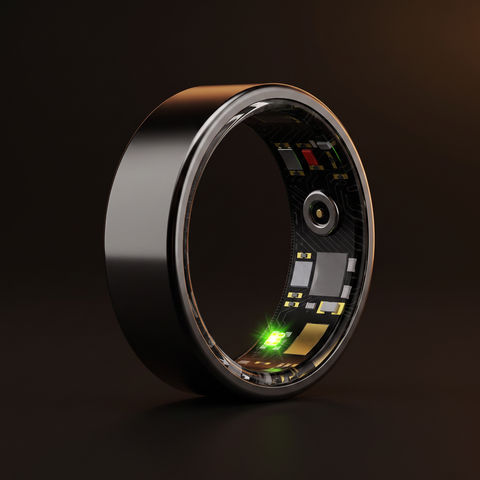
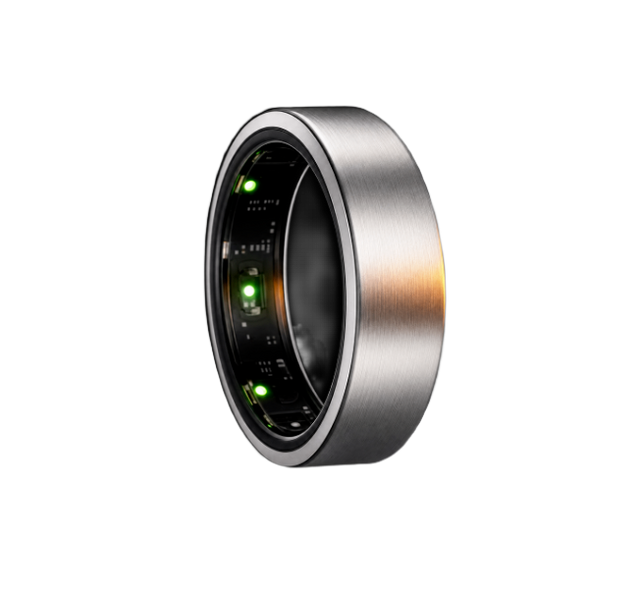
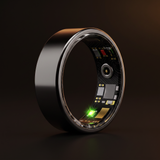
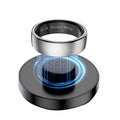
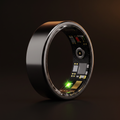
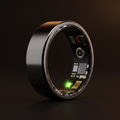
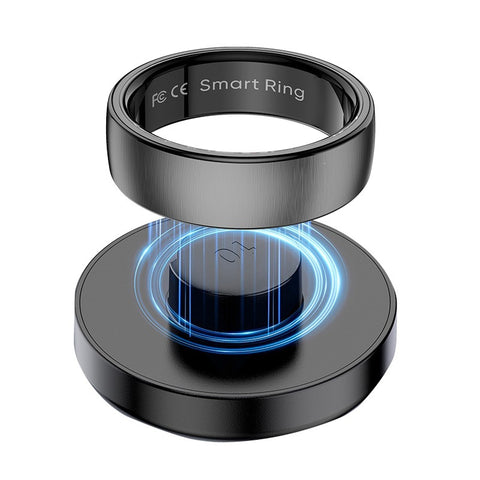
PulseRing Pro tracks your heart rate, HRV, blood oxygen and sleep stages overnight. Each morning it gives you one readiness score and one plain call: push, maintain or rest. It builds your personal baseline over roughly two weeks, so start it before January if you can. Its readings are estimates that have not been independently validated, so watch the trend. It weighs about 4 grams, has no subscription and includes every metric for £89.
How to run your own Dry January experiment
- Know your starting point. If you already wear a tracker, note your usual 7-day averages from December. Look at resting heart rate, HRV and sleep. If you are starting fresh, give it two weeks to learn your baseline.
- Keep other things steady. Hold bedtime, wake time and training roughly constant, so alcohol is the main thing that changes.
- Compare weekly averages, not single nights. One good or bad night tells you little. The trend across a week or two tells you more.
- Write down how you feel. Energy, mood and how rested you feel on waking are the outcomes participants report most. Your own notes are as useful as the graphs.
- Watch the first drink in February. The night you drink again is often the clearest demonstration of all.
Our 14-night sleep experiment sets out the same method for any single change, with a log you can copy.
Who should not stop drinking suddenly?
Dry January is designed for people who drink but are not dependent on alcohol. The NHS guidance on alcohol misuse warns that stopping suddenly can be very dangerous if you are dependent. Withdrawal symptoms usually start within 6 hours to 12 hours of the last drink. They include shaking, sweating, a racing heartbeat, anxiety and trouble sleeping. Confusion, hallucinations or seizures can also occur.
If you get any of these when you try to cut down, speak to a doctor before you go further. If symptoms are severe, get emergency help straight away. In the UK, the NHS alcohol support page lists Drinkline, a free, confidential helpline on 0300 123 1110. Wherever you live, your doctor or a local alcohol service can help you cut down safely.
How much is low risk?
Guidance differs by country. In the UK, the NHS advises men and women to drink no more than 14 units a week regularly. It also says to spread drinking over 3 or more days, with several drink-free days each week. Elsewhere, check your own national health service's advice. The size of a "standard drink" also varies from country to country.
How to keep the benefits after January
You do not have to choose between a dry month and your old habits. The Sussex research found that many participants were still drinking less in the summer after their Dry January. A few habits make that easier:
- Keep regular drink-free nights during the week, especially before hard training days.
- If you do drink, drink earlier in the evening and allow time for a full night's sleep afterwards. The 2026 wearable study found both reduced the hit to heart rate and HRV.
- Use your morning readiness score as feedback. If it says rest after a night out, rest.
Frequently asked questions
Does Dry January improve sleep?
For many people, yes. In surveys of Dry January participants, between 56% and 71% reported sleeping better by the end of the month. These are self-reported results, not lab measurements. But they fit with research showing alcohol delays and reduces REM sleep, even at about two standard drinks.
How quickly does sleep improve after stopping alcohol?
For moderate drinkers, alcohol's biggest effects on heart rate, HRV and REM sleep happen on the night itself. An alcohol-free night avoids them. No reliable study shows a fixed timeline across the month. Heavy drinkers may sleep badly during withdrawal and should speak to a doctor first.
Does HRV go up when you stop drinking?
Drinking lowers HRV during the night after alcohol, in proportion to how much you drink. Removing those nights usually means fewer sharp dips, so your weekly average may rise and steady. How much depends on your past drinking, and on sleep, stress, illness and training.
Is one drink enough to affect my sleep?
It can be. A Finnish study of 4,098 employees found that even low intake reduced an HRV-based recovery measure early in the night. A 2025 review found REM disruption from about two standard drinks upwards. The effect is smaller at lower doses, but it is not zero.
Is Dry January safe for everyone?
No. If you are dependent on alcohol, stopping suddenly can cause dangerous withdrawal symptoms, including seizures. The NHS advises getting medical help before stopping in this case. If you get shaking, sweating, anxiety or confusion when you cut down, speak to a doctor first.
Sources
- Gardiner C et al. The effect of alcohol on subsequent sleep in healthy adults: a systematic review and meta-analysis, Sleep Medicine Reviews, 2025
- Pietilä J et al. Acute effect of alcohol intake on cardiovascular autonomic regulation during the first hours of sleep in a large real-world sample of Finnish employees, JMIR Mental Health, 2018
- Grosicki GJ et al. Real-world effects of alcohol on heart rate, sleep, and physical activity by age and sex, PLOS Digital Health, 2026
- How Dry January is the secret to better sleep, saving money and losing weight, University of Sussex, 2018
- de Visser R. Better sleep, more energy and feeling in control: the reported benefits of Dry January, The Conversation, 2025
- Quer G et al. Inter- and intraindividual variability in daily resting heart rate and its associations with age, sex, sleep, BMI, and time of year, PLOS One, 2020
- Alcohol misuse, NHS
- Alcohol units, NHS
- Alcohol support, NHS, 2026
This article is for general information and is not medical advice. PulseRing Pro is a wellness device, not a medical device, and does not diagnose or treat any condition. If you are worried about your health, speak to your GP or a qualified clinician.

How to improve HRV: five habits with real evidence behind them
The habits with the strongest evidence for raising heart rate variability, how much difference to expect, and how to track progress against your own baseline.

What is HRV Status? Garmin's labels explained, and what to do
What Garmin's HRV Status labels mean, what a good status looks like, what to do when yours is unbalanced or low, and how other wearables use an overnight HRV baseline.

Alcohol and sleep: what a night out does to your recovery
A few drinks help you nod off, then cost you REM sleep, a calm heart rate and HRV. Here is what the research and wearable data show, and how to protect your sleep through the pa...