






Signs of Overtraining and How Data Helps You Avoid It
The physical and mental signs of overtraining, how to tell it from normal tiredness, what your resting heart rate and HRV can and cannot show, and how to recover.

In this article
The main signs of overtraining are falling performance despite rest, fatigue that does not lift, and heavy or sore muscles. Poor sleep, low mood, lost motivation and more frequent illness are common too. Your data can warn you early. A resting heart rate drifting up, or HRV below your baseline for several days, is a cue to back off.
Here is how to tell normal training tiredness from something more serious. We cover what the research says and how wearable data helps. Then where data falls short, and what to do if you have pushed too far.
Key takeaways
- Overtraining sits on a scale. Short-term overreaching is normal and useful. Overtraining syndrome can take months to recover from.
- Warning signs include falling performance, persistent fatigue, heavy muscles, poor sleep, mood changes and frequent illness.
- No single test diagnoses overtraining. Doctors first rule out other causes such as illness, low iron or under-eating.
- Resting heart rate and HRV trends, sleep data and an honest mood check together give the earliest warning.
- Prevention is simpler than cure: vary your training, eat enough, sleep enough and rest after illness.
What is overtraining?
Training works by stressing your body and then letting it recover stronger. Trouble starts when the stress keeps coming and the recovery does not. A joint consensus statement from European and American sports science bodies puts it plainly. Training must involve overload, but must avoid excessive overload combined with inadequate recovery.
Researchers describe three stages, based mainly on how long recovery takes:
| Stage | What happens | Recovery time | Outcome |
|---|---|---|---|
| Functional overreaching | A planned hard block causes a short dip in performance | Days to weeks | Positive: you come back fitter after rest |
| Non-functional overreaching | Performance drops for longer, with mood or hormonal symptoms | Weeks to months | Negative: lost training time, but full recovery |
| Overtraining syndrome | A more extreme, prolonged version with more severe symptoms | More than two months | Negative: can threaten an athletic career |
These definitions come from a practical guide to overtraining syndrome by Kreher and Schwartz. It builds on the European College of Sport Science position.
How many athletes overtrain?
The guide notes that full overtraining syndrome appears to be extremely rare. Non-functional overreaching is not. In one study it cites, about 60% of elite runners reported it at some point in their career. The figure for non-elite female runners was 33%.
What are the signs of overtraining?
The symptoms are varied and non-specific, which is what makes overtraining hard to spot. These are the signs described in the Kreher and Schwartz guide and the ECSS and ACSM consensus.
Performance and body
- Performance that stalls or falls, and does not bounce back after a few easy days
- Fatigue that persists even when you rest
- Heavy, sore or stiff muscles
- Loss of appetite and weight loss
- Changes in resting heart rate. An unusually low rate is more common in endurance sports, a raised rate in power and sprint sports.
- Picking up coughs and colds more often. In endurance athletes, low levels of an immune marker in saliva have been linked with more such symptoms.
Mental signs, sleep and mood
- Insomnia, or waking up unrefreshed
- Low mood, irritability, anxiety or restlessness
- Loss of motivation to train
- Poor concentration
One or two of these after a hard week is normal. The warning sign is a cluster that lasts despite rest. Falling performance plus low mood is the pairing to take most seriously.
How much training is overtraining?
There is no fixed number of hours or sessions. The ECSS and ACSM consensus frames it as a mismatch between load and recovery. The same week can be fine for one person and too much for another.
What tips the balance is often everything outside training. Work pressure, family demands, poor sleep, travel and recent illness all add to the load. The Kreher and Schwartz guide lists them among the triggers.
Is it overtraining or something else?
Many of these symptoms overlap with other problems. The ECSS and ACSM consensus recommends ruling out illness and infection first. It also lists eating too little for your training (negative energy balance), and too little carbohydrate or protein. Iron deficiency, magnesium deficiency and allergies are on the list too.
The consensus also notes a limit. None of the markers in current use, from hormones to performance tests, is accepted for diagnosing overtraining.
The NHS advises you to see a GP about tiredness if you have felt tired for weeks without knowing why. The same applies if it affects your daily life, or comes with symptoms such as weight loss or mood changes. That applies to athletes as much as anyone. Outside the UK, see your own doctor.
How can data help you avoid overtraining?
By the time performance has clearly dropped, you may already be weeks into a hole. The value of daily data is catching the early drift. At that stage a few easy days are usually enough.
Resting heart rate
Watch for a resting heart rate several beats above your usual level for days. If illness or alcohol do not explain it, it suggests you are not recovering fully. Our guide to normal resting heart rate explains why your personal baseline matters more than the textbook range.
Heart rate variability
HRV tends to fall when your body is under strain. A review by Martin Buchheit describes day-to-day HRV variation shrinking before non-functional overreaching. It recommends reading HRV and heart rate against each person's normal variation. Training logs and questionnaires belong alongside them. If you are new to HRV, start with what a good HRV is and why baselines matter.
Recovery time after hard sessions
A review of heart rate recovery after exercise timed how long the heart's rest and recover activity took to return:
- up to 24 hours after low-intensity aerobic exercise
- 24 hours to 48 hours after threshold work
- at least 48 hours after high-intensity sessions
Stack hard days closer together than that and your overnight numbers will usually show it. Easy aerobic work, such as zone 2 training, sits at the light end of that scale.
How you feel
Do not skip the simplest measure. A systematic review in the British Journal of Sports Medicine looked at self-reported wellbeing, such as mood, stress and fatigue. It responded to training load more sensitively and consistently than common objective measures. In one study cited by Kreher and Schwartz, college swimmers adjusted training using a mood questionnaire. Burnout fell from 10% to zero.
A simple weekly check
You do not need a lab. Once a week, look back over the last seven days and ask:
- Has my average resting heart rate crept above my normal range?
- Has my HRV average dropped below my normal range, rather than just dipping for a night?
- Have I slept less, or woken up unrefreshed more often?
- Is my performance flat or falling at the same effort?
- Am I more irritable, less motivated or dreading sessions I usually enjoy?
One "yes" is a nudge. Two or more, lasting a week or longer, is a signal to cut volume and intensity for several days. Put sleep and food first. If you are not bouncing back after a proper easy week, speak to your GP.
A daily readiness score can do much of this for you. Our guide to readiness scores explains how they work and when to trust them.
What data cannot tell you
Be realistic about wearables. Kreher and Schwartz state that resting heart rate, maximal heart rate and HRV tests are inconsistent in overtrained athletes. They also cannot tell the stages of overreaching and overtraining apart.
In elite athletes, Plews and colleagues found that both rises and falls in HRV have been linked with poor adaptation. Each athlete needs long-term monitoring to understand their own pattern.
So treat your numbers as an early warning light, not a diagnosis. A sustained change in your data plus how you feel is worth acting on. A single low reading is not.
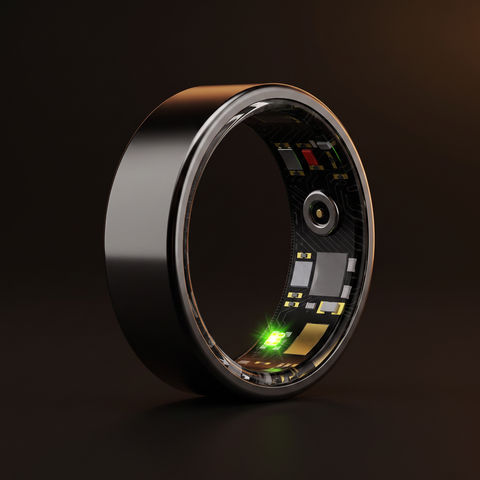
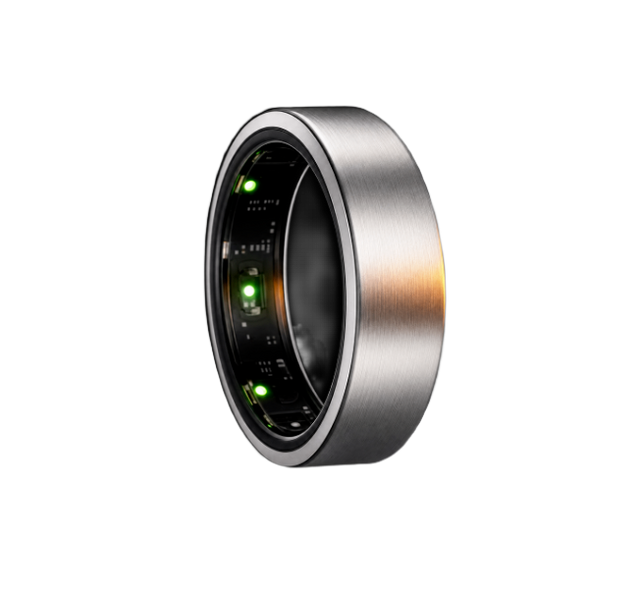
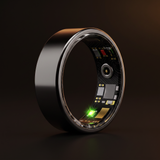
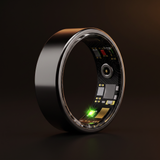
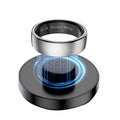
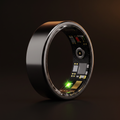
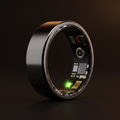
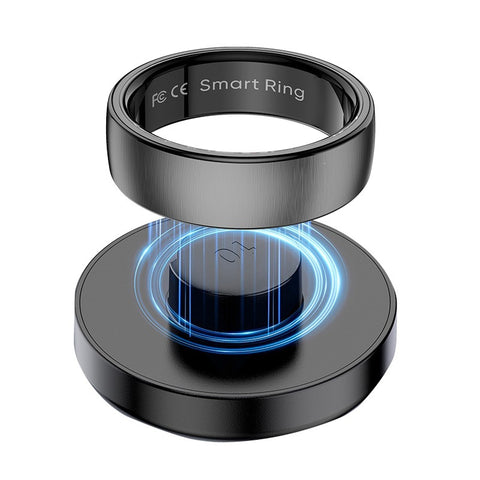
PulseRing Pro reads heart rate, HRV, blood oxygen and sleep stages every night. It learns your personal baseline over roughly two weeks. Each morning it gives one readiness score and one plain call: push, maintain or rest. It weighs about 4 grams, lasts up to 7 days per charge and has no subscription. Its HRV and sleep figures are estimates and have not been independently validated.
See how PulseRing Pro helps you balance training and recovery
How to recover from overtraining and prevent it
If you have simply overreached, lighter training for a few days to a couple of weeks usually brings you back. Add more sleep and good food. If symptoms have lasted weeks, stop hard training and see your GP to rule out other causes. Only then build back up. The Kreher and Schwartz guide lists these prevention measures:
- Plan your training in phases, with lighter weeks built in, and taper before competitions
- Adjust volume and intensity based on your performance and mood
- Eat enough calories for your training load, with enough carbohydrate during exercise
- Stay well hydrated
- Get enough sleep
- Leave more than six hours between training sessions on the same day
- Stop training after an infection, heat illness or a period of high stress
- Avoid training in extreme conditions
Sleep deserves special attention. A review of sleep and athletic performance makes the link. Reduced sleep quality and quantity can unbalance the autonomic nervous system. The result can mimic symptoms of overtraining syndrome.
Frequently asked questions
What are the first signs of overtraining?
Early signs include tiredness even after rest days, heavy legs that do not clear, worse sleep and lost motivation. Familiar sessions may feel harder than usual. Your data can show it first. Resting heart rate above your normal range, or HRV below it for several days, often comes before performance drops.
How can I tell if I am overtraining?
Look for a cluster of signs that lasts despite rest, not one bad week. Falling performance, persistent fatigue, poor sleep and low mood together are the strongest pattern. Rule out illness, under-eating and low iron with your GP. Overnight resting heart rate and HRV trends can add an early warning.
How long does it take to recover from overtraining?
It depends on how far it has gone. Short-term overreaching recovers in days to weeks. Non-functional overreaching can take weeks to months. Overtraining syndrome, which is rare, involves a performance drop lasting more than two months. The earlier you ease off, the faster you recover.
Can overtraining raise your resting heart rate?
It can. A rate several beats above your normal for days often points to incomplete recovery. Rule out illness and alcohol first. Some overtrained athletes, especially in endurance sports, show an unusually low rate instead. Heart rate alone cannot diagnose overtraining, so read it alongside HRV, sleep and mood.
Is it overtraining or am I just not eating enough?
It can be hard to tell, and the two often go together. The ECSS and ACSM consensus lists under-eating, low carbohydrate or protein, and iron deficiency among factors to rule out first. If you are losing weight, constantly tired or noticing mood changes, see your GP.
Can a smart ring detect overtraining?
No wearable can diagnose overtraining. A smart ring can track resting heart rate, HRV and sleep every night against your own baseline. That helps you notice a sustained shift early. Add how you feel, and you have a reason to ease off early. That stops a few hard weeks becoming lost months.
Sources
- Prevention, diagnosis, and treatment of the overtraining syndrome: joint consensus statement of the European College of Sport Science and the American College of Sports Medicine, Meeusen et al., Medicine and Science in Sports and Exercise, 2013
- Overtraining syndrome: a practical guide, Kreher and Schwartz, Sports Health, 2012
- Tiredness and fatigue, NHS, 2026
- Monitoring training status with HR measures: do all roads lead to Rome?, Buchheit, Frontiers in Physiology, 2014
- Cardiac parasympathetic reactivation following exercise: implications for training prescription, Stanley, Peake and Buchheit, Sports Medicine, 2013
- Monitoring the athlete training response: subjective self-reported measures trump commonly used objective measures, Saw, Main and Gastin, British Journal of Sports Medicine, 2016
- Training adaptation and heart rate variability in elite endurance athletes: opening the door to effective monitoring, Plews et al., Sports Medicine, 2013
- Sleep and athletic performance: the effects of sleep loss on exercise performance, and physiological and cognitive responses to exercise, Fullagar et al., Sports Medicine, 2015
This article is for general information and is not medical advice. PulseRing Pro is a wellness device, not a medical device, and does not diagnose or treat any condition. If you are worried about your health, speak to your GP or a qualified clinician.

Dry January benefits for sleep and HRV: what a month off does
What the Dry January research really found about sleep, what an alcohol-free month may show on a wearable, how to run it as a simple experiment, and who should not stop drinking...

How to improve HRV: five habits with real evidence behind them
The habits with the strongest evidence for raising heart rate variability, how much difference to expect, and how to track progress against your own baseline.

What is HRV Status? Garmin's labels explained, and what to do
What Garmin's HRV Status labels mean, what a good status looks like, what to do when yours is unbalanced or low, and how other wearables use an overnight HRV baseline.