









To sleep with a blocked nose, clear it before bed with steam or a salt water rinse, then raise your head with an extra pillow and lie on your side with the blocked nostril facing up. A short course of decongestant or a nasal strip can help adults. Skip alcohol, and never tape your mouth while your nose is blocked.
Below: why it gets worse when you lie down, a bedtime plan with the safest steps first, the evidence on each remedy, the rules for children, and when to see a GP or doctor.
Key takeaways
- Lying down narrows the inside of the nose, especially lying face down. Raise your head and sleep on your side.
- Salt water rinses, shower steam and fluids are the low-risk NHS first steps.
- Decongestant sprays and drops should not be used for more than 5 days, and decongestants are not for children under 6.
- Menthol makes your nose feel clearer without opening it: comfort, not a decongestant.
- Never use mouth tape with a blocked nose. See a GP if the blockage lasts for weeks or you snore with pauses in your breathing.
Why does a blocked nose feel worse at night?
- Lying down narrows the nose. In a 2023 study by Wang and colleagues, 30 adults with allergic rhinitis and 30 without were measured sitting, lying on their backs and lying face down. Lying face down reduced the space inside the nose in both groups, and in people with allergic rhinitis lying on the back did too.
- The lower side swells. The ridges of tissue inside your nose, called turbinates, are full of blood vessels. An ENT surgeon writing for Henry Ford Health explains that the turbinate on the side you lie on tends to swell, so the blockage seems to move when you turn over.
- The bedroom adds triggers. Dust mites, pet dander and damp are common causes of allergic rhinitis, and alcohol and changes in temperature or humidity can set off non-allergic rhinitis.
It matters for more than comfort. In the Wisconsin Sleep Cohort study by Young and colleagues, a survey of 4,927 adults, people with night-time nasal symptoms on 5 or more nights a month were significantly more likely to snore on 3 or more nights a week, feel very sleepy in the day or wake unrefreshed. Those whose nose was blocked by allergy were 1.8 times more likely to have moderate to severe sleep-disordered breathing.
How to sleep with a blocked nose: a bedtime plan
The steps near the top carry the least risk.
- Loosen the mucus before bed. The NHS suggests breathing in steam by sitting in the bathroom with a hot shower running. A salt water rinse helps too: mix a teaspoon of salt and a teaspoon of bicarbonate of soda into a pint of boiled water that has cooled, then sniff a little into one nostril at a time over a sink, up to 3 times a day.
- Drink enough. The NHS advice for a common cold is plenty of rest and fluids. Keep water and tissues by the bed.
- Use medicine carefully, if you need it. A pharmacist can suggest a decongestant, an antihistamine if allergy is the cause, or paracetamol or ibuprofen for aches. The rules are below.
- Raise your head. Use an extra pillow or raise the head end of the bed. Trial evidence is thin, but it is free and low risk for adults. Never prop up a baby.
- Lie on your side, blocked nostril up. Avoid sleeping face down.
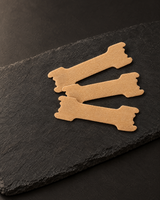
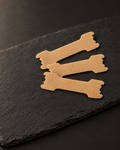
- Hold the nostrils open. A nasal strip lifts the sides of the nose and makes nose breathing easier for many people.
- Keep the bedroom fresh, not dry. The NHS page on catarrh suggests a humidifier to loosen mucus. If allergies play a part, wash bedding at 60°C or above and keep pets out of the bedroom.
- Skip the nightcap. Alcohol can set off a blocked nose and, as our guide to alcohol and sleep explains, breaks up the second half of the night.
Which remedies actually help? The evidence
Most pages list remedies without saying how good the evidence is. Here it is.
| Remedy | What the evidence says | Skip it or ask first if |
|---|---|---|
| Salt water rinse | Recommended by the NHS for sinusitis, catarrh and rhinitis. Low risk | Use cooled boiled water, fresh each day |
| Steam from a shower | Soothing, but a Cochrane review of 6 trials with 387 people rated the evidence low quality and could not show benefits or harms | Never let children breathe steam from a bowl of hot water |
| Decongestant spray, drops or tablets | Shrink swollen blood vessels in the nose for short-term relief | Sprays beyond 5 days, a child under 6, pregnancy, some conditions. Tablets: breastfeeding too |
| Antihistamine | Helps when allergy is the cause, not a cold. The NHS says drowsy types may suit you if symptoms stop you sleeping | Drowsy types: no driving while sleepy, no alcohol |
| Steroid nasal spray | Used for allergic rhinitis and sinusitis. Reduces swelling gradually, not straight away | Ask a pharmacist or GP |
| Menthol rub or lozenge | Makes the nose feel clearer without changing measured airflow | Check the age guidance on the pack |
| Nasal strip | Opens the front of the nose. Low risk, not a cure-all | Sore or broken skin. Ask a pharmacist for a child |
| Mouth tape | Not a remedy for a blocked nose | Your nose is blocked: never use it |
Decongestants: the rules that matter
The NHS guide to decongestants says sprays and drops should not be used for more than 5 days at a time, because longer use can make the stuffiness worse. Children under 6 should not have decongestants, and children aged 6 to 11 should take them for no more than 5 days. Ask a pharmacist or GP first if you take other medicines, are pregnant, or have a condition such as diabetes, hypertension, an overactive thyroid, glaucoma, or heart or circulation problems.
Decongestants can make some people restless, so a late tablet may not suit you. And do not double up: the NHS warns against using more than one blocked nose medicine at once, and many "all-in-1" cold remedies already contain a painkiller or antihistamine.
Why menthol feels better than it is
A blocked nose is partly a sensation. In a trial by Eccles and colleagues, 62 people with a cold took a menthol lozenge or a plain sweet. Within 10 minutes the menthol group said their nose felt clearer, yet measured resistance to airflow was no better than with the placebo. Menthol may help you drop off, but it does not open the nose.
What is the best position to sleep with a blocked nose?
For most adults: on your side, head slightly raised, with the more blocked nostril facing up. Avoid lying face down, the position that narrowed the nose in the Wang study.
Side sleeping also helps snoring. The NHS advice on snoring suggests a tennis ball stitched to the back of your sleepwear or a bed wedge to stop you rolling, and lists strips that hold the nose open when snoring comes from blocked or narrow airways in the nose. Our guide on how to stop snoring works through the other causes. Peak Airflow nasal strips are drug-free strips that lift the sides of the nose open, at £13.99 for 30 nights. They work on the front of the nose only, and our guide to whether nasal strips work for snoring goes through the studies.
How to sleep with a cold
The NHS says cold symptoms come on gradually over 2 to 3 days and most people feel better in about 1 to 2 weeks. Flu comes on within a few hours and leaves you too unwell to carry on as normal.
- Rest, and follow the bedtime plan above.
- Take paracetamol or ibuprofen for aches or a temperature if they suit you, but not alongside an all-in-1 remedy that contains them.
- With a high temperature, or if you feel too unwell for normal activities, the NHS advises staying at home.
Expect your sleep data to dip: illness is one of the common reasons HRV falls and resting heart rate rises, as our guide on why HRV drops explains. If you are running the 14-night sleep experiment, set aside any week spoiled by a cold.
Can't breathe through your nose at night, but fine in the day?
A nose that blocks every night for weeks usually has a cause other than a cold: rhinitis, a decongestant spray used for longer than the packet says, sinusitis, nasal polyps or the shape of the nose. Henry Ford's ENT specialist names enlarged turbinates as the most common cause of long-term night-time blockage. Our guide on how to stop mouth breathing at night sets out how to tell these causes apart and what to try for each.
Never tape your mouth with a blocked nose
Mouth tape is sold to encourage nose breathing, but it is risky when your nose cannot carry enough air, whether from a cold, hay fever or sinusitis. Leave it until your nose is reliably clear, and never use it on a child. Our article on what the evidence says about mouth taping covers the research and who else should avoid it.
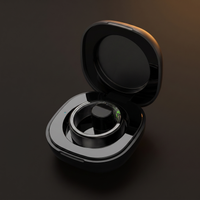
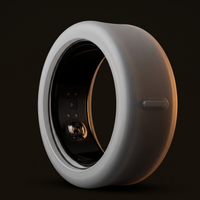
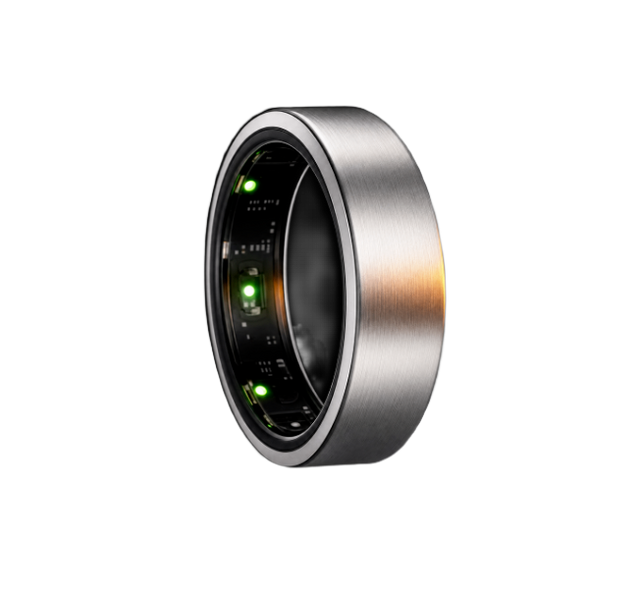
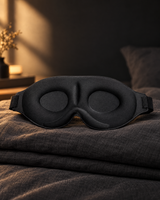
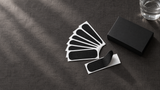
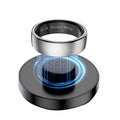
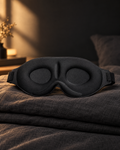
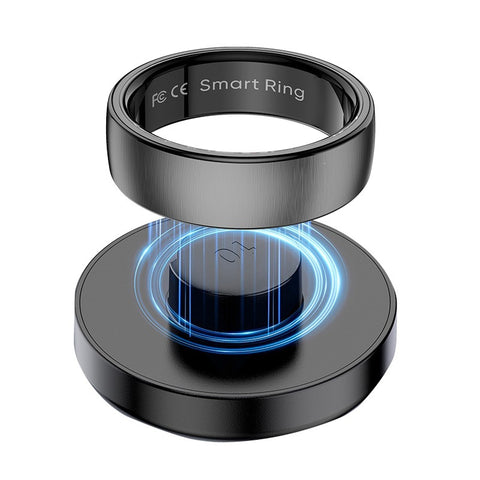
The Sleep Reset System brings together PulseRing Pro, the Peak Blackout sleep mask, Peak Airflow nasal strips (30 nights) and Peak Mouth Tape (30 nights) for £129. On a blocked-nose night, reach for the strips and leave the tape until your nose is clear. PulseRing Pro cannot tell whether your nose is blocked and does not diagnose anything. It shows how your estimated sleep, resting heart rate and HRV change while you are ill and as you recover.
Blocked nose in babies and children
The NHS page on colds in children says they have 5 to 8 colds a year on average, and most clear within 2 weeks in younger children. The rules are stricter than for adults:
- Saline nose drops can loosen dried mucus and relieve a stuffy nose. Ask a pharmacist, GP or health visitor about them.
- Children under 6 should not have over-the-counter cough and cold remedies, including decongestants, unless a GP or pharmacist advises it. Children aged 6 to 11 should use decongestants for no more than 5 days.
- Do not give honey to babies under 12 months, or aspirin to anyone under 16.
- Do not let children breathe steam from a bowl of hot water.
- Do not raise a baby's head with pillows. The NHS advice on reducing the risk of SIDS is to put babies on their back on a firm, flat mattress, with no pillows, duvets or anything to keep them in place.
- Never tape a child's mouth.
Call 999 if a child is finding it hard to breathe. For sinusitis symptoms in a child aged 11 or under, the NHS says to see a GP, and to call 111 for advice about a child under 5.
When to see a GP or doctor
Based on NHS guidance, including on sleep apnoea, see a GP, or your own doctor outside the UK, if:
- you have a high temperature for more than 3 days, feel short of breath or have chest pain, or your cold gets worse or has not improved after 10 days
- sinusitis has not improved after 3 weeks of looking after yourself, or after 7 days of treatment, or keeps coming back
- your nose has been blocked for more than a few weeks, you lose your sense of smell, or only one side is affected
- rhinitis is affecting your sleep, or pharmacy treatment is not working
- you snore loudly, your breathing stops and starts in your sleep, you gasp or choke, or you always feel very tired in the day
- you have a long-term condition or a weakened immune system and get cold symptoms
Ask for an urgent GP appointment or contact NHS 111 if you have sinusitis and feel very unwell or painkillers are not helping. In an emergency, call 999 or your local emergency number.
Frequently asked questions
Is it OK to sleep with a blocked nose?
For most adults with a cold, yes. Breathing through your mouth can leave you with a dry mouth and broken sleep, but it is not usually dangerous. See a GP if your breathing stops and starts in your sleep, you gasp or choke, or the blockage lasts for weeks.
What is the best position to sleep in with a blocked nose?
On your side with your head slightly raised, and the more blocked nostril facing up. The tissue inside the nose tends to swell on the side you lie on. Avoid sleeping face down, which narrowed the inside of the nose in a 2023 study. Never raise a baby's head with pillows.
How can I unblock my nose quickly at night?
Sit in a steamy bathroom for a few minutes, rinse your nose with salt water, then lie on your side with your head raised. Adults can use a decongestant spray for up to 5 days, and a nasal strip can make nose breathing easier. Menthol makes the nose feel clearer but does not open it.
Why does my nose block when I lie down?
Lying down increases swelling in the blood-filled tissue inside the nose, especially on the side you lie on. Bedroom triggers such as dust mites, pet dander, damp and dry air add to it. If it happens every night but not in the day, allergic rhinitis or the shape of your nose may be the cause.
Can you use mouth tape with a blocked nose?
No. Mouth tape is risky whenever your nose cannot carry enough air, whether from a cold, hay fever or sinusitis. Wait until your nose is reliably clear, and do not use tape at all if you might have sleep apnoea, have a breathing condition or anxiety, or for a child.
Sources
- Wang YT et al. Nasal Patency in Sitting, Supine, and Prone Positions in Individuals with and without Allergic Rhinitis, Life, 2023
- Young T, Finn L, Kim H. Nasal obstruction as a risk factor for sleep-disordered breathing, Journal of Allergy and Clinical Immunology, 1997
- Eccles R, Jawad MS, Morris S. The effects of oral administration of (-)-menthol on nasal resistance to airflow and nasal sensation of airflow in subjects suffering from nasal congestion associated with the common cold, Journal of Pharmacy and Pharmacology, 1990
- Singh M et al. Heated, humidified air for the common cold, Cochrane Database of Systematic Reviews, 2017
- Why Your Nose Is Stuffy At Night (And How To Fix It), Henry Ford Health, 2026
- Decongestants, NHS
- Common cold, NHS, 2024
- Sinusitis (sinus infection), NHS, 2024
- Catarrh, NHS, 2026
- Allergic rhinitis, NHS, 2026
- Non-allergic rhinitis, NHS, 2026
- Antihistamines, NHS, 2023
- Snoring, NHS, 2023
- Sleep apnoea, NHS, 2026
- Colds, coughs and ear infections in children, NHS, 2025
- Sudden infant death syndrome (SIDS), NHS, 2025
This article is for general information and is not medical advice. PulseRing Pro is a wellness device, not a medical device, and does not diagnose or treat any condition. If you are worried about your health, speak to your GP or a qualified clinician.