




Do nasal strips work for sleep and snoring? The evidence explained
What nasal strips can and cannot do for snoring, what the studies found, the downsides, how to use them safely, and when snoring means a trip to your GP instead.

In this article
Nasal strips can help with snoring, but only for some people. They lift the sides of your nose to widen the nostrils, which makes nose breathing easier. That helps most when snoring comes from a stuffy or narrow nose. Research shows strips improve nasal airflow. Results for snoring are mixed, and they do not treat sleep apnoea.
Below: how strips work, what studies found, who benefits, safe use, and when to see a GP instead.
Key takeaways
- Nasal strips work on the front of the nose only. They cannot fix snoring that starts in the throat or from the tongue.
- Studies agree strips make nose breathing easier. Evidence that they reduce snoring is mixed.
- A 2016 meta-analysis found nasal dilators did not improve sleep apnoea measures.
- They are low risk for most adults. The usual side effects are skin irritation, redness and a sore nose.
- See your GP if you snore loudly and your breathing stops and starts, or you gasp or choke asleep.
How do nasal strips work?
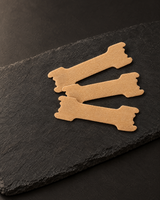
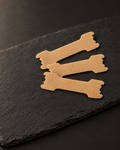
A nasal strip is an adhesive strip with a springy band inside. You stick it across the bridge of your nose, just above the flare of the nostrils. As the band tries to straighten, it gently pulls the sides of the nose outwards. The Sleep Foundation describes how this holds the nostrils open and keeps the nasal passages wider.
That effect is measurable. A 2019 study in Advances in Therapy by Wheatley and colleagues tested a nasal strip during sleep. It lowered median nasal resistance by about 39% compared with nights without it. Less resistance means less effort to breathe through your nose. So you are less likely to switch to breathing through your mouth.
What strips cannot do is change anything further back. A lot of snoring comes from the soft palate, tongue and throat vibrating. A strip on the outside of your nose does not reach them.
Do nasal strips work for snoring? What the research says
The honest answer: they help some people, and the evidence is weaker than the packaging suggests.
People with a congested nose
The Wheatley study gave 70 adults with long-term night-time nasal congestion a strip for 28 nights. Participants reported easier breathing, better sleep quality and less daytime sleepiness. They also had fewer problems staying asleep. But the objective sleep lab measures were generally similar with and without the strip. There was no clear change in any of the snoring measures. GlaxoSmithKline Consumer Healthcare funded the study, and two of its authors worked for the company.
People with sleep apnoea
A 2016 meta-analysis by Camacho and colleagues in Pulmonary Medicine pooled 14 studies of nasal dilators, including Breathe Right strips. In people with obstructive sleep apnoea, dilators did not significantly change three key measures. These were breathing pauses per hour, the lowest oxygen level and the snoring index. The authors concluded that dilators improve nasal breathing but do not improve sleep apnoea.
A 2017 study by Yagihara and colleagues in the Journal of Clinical Sleep Medicine went further. In 26 people with severe sleep apnoea, nasal strips had no significant effect on any sleep study measure. That is why the researchers used them as a placebo against CPAP, the standard treatment.
Snoring in pregnancy
Nasal congestion is common in pregnancy. Even so, a 2022 study by Maxwell and colleagues looked at 54 pregnant women who snored. It found no significant change in breathing events or self-rated sleep on the night they used strips.
| Study | Who took part | What it found |
|---|---|---|
| Wheatley et al., 2019 | 70 adults with chronic night-time nasal congestion | Easier breathing and better self-rated sleep, lower nasal resistance, no clear change in snoring measures |
| Camacho et al., 2016 (meta-analysis) | 14 studies of nasal dilators | Better nasal breathing, no improvement in sleep apnoea measures or snoring index in people with sleep apnoea |
| Yagihara et al., 2017 | 26 people with severe sleep apnoea | No effect on any sleep study measure |
| Maxwell et al., 2022 | 54 pregnant women who snored | No change in breathing events or self-rated sleep |
Put together, nasal strips reliably open the nose. Many people feel they breathe and sleep better with one. They are not a proven fix for snoring, and they are not a treatment for sleep apnoea.
Who are nasal strips most likely to help?
The NHS advice on snoring lists strips that hold your nose open as one option. It applies when snoring is caused by blocked or narrow airways in your nose. That group is most likely to notice a difference. Strips are worth trying if:
- you snore more when you have a cold or hay fever
- your nose often feels stuffy at night
- you wake with a dry mouth because you have been breathing through it
For the other causes of a dry mouth, see our guide on how to stop mouth breathing at night. Strips are less likely to help if your snoring is linked to sleeping on your back, alcohol or extra weight. The same goes for anything happening in your throat.
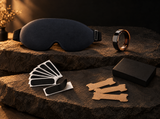
Peak Airflow Nasal Strips are adhesive strips that lift the sides of the nose open. They are drug-free and cost £15 for 30 nights. They are for easier nose breathing, not a treatment for sleep apnoea.
Nasal strips compared with other snoring options
The NHS lists several approaches depending on what is causing your snoring.
| Option | Best suited to | Things to know |
|---|---|---|
| Nasal strips | Snoring from a blocked or narrow nose | Drug-free and outside the nose. Mixed evidence for snoring. |
| Decongestants or nasal sprays | Swelling inside the nose | Ask a pharmacist which is suitable and how long to use it. |
| Sleeping on your side | Snoring that is worse on your back | Free. The NHS suggests stitching a tennis ball to the back of your sleepwear. |
| Cutting back on alcohol, stopping smoking, losing weight | Many snorers | Recommended first by the NHS. |
| Mouth tape | Mouth-breathers with a clear nose | Limited evidence and real risks. Not for anyone with a blocked nose or suspected sleep apnoea. |
| A device worn in the mouth to bring the tongue forward | Snoring linked to the tongue | Ask your GP about this option. |
Weighing strips against tape? Our mouth tape vs nasal strips comparison sets them side by side. Our guide to what the evidence says about mouth taping covers the tape studies and safety warnings. For every option in a safe order, see how to stop snoring.
Are nasal strips safe? The downsides
For most adults, yes. The Sleep Foundation lists the usual side effects as skin irritation, redness, itching, mild discomfort and sneezing. In the Wheatley study, some people had marks, soreness, bruising or skin abrasion where the strip sat.
Take extra care, or skip strips, if:
- you have sensitive skin, sunburn, or a cut or sore on your nose
- you are allergic to latex, so check the packaging
- it is for a young child. The Sleep Foundation advises against strips for children under 5
The other downside is false reassurance. A quieter night with a strip can hide snoring that needs a GP's attention.
How to use a nasal strip
- Wash your nose and dry it well. Oil and moisturiser stop the strip sticking.
- Place the strip across the bridge of your nose, just above the flare of your nostrils.
- Press the ends down on both sides and run a finger along it so it lies flat.
- Wear it all night and use a fresh strip each night.
- In the morning, peel it off slowly. Loosening the edges with warm water first is gentler on the skin.
- Give it a week or two. Ask your partner whether the snoring has changed, and notice how you feel during the day.
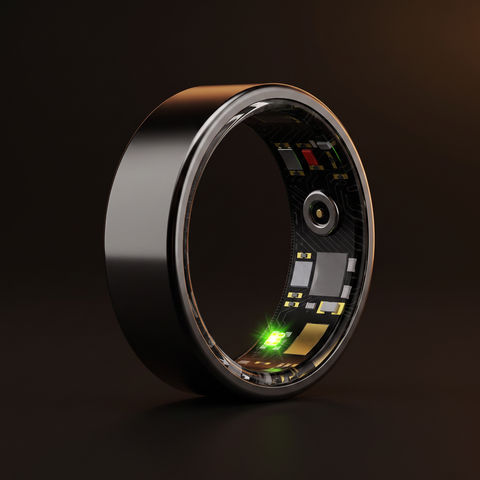
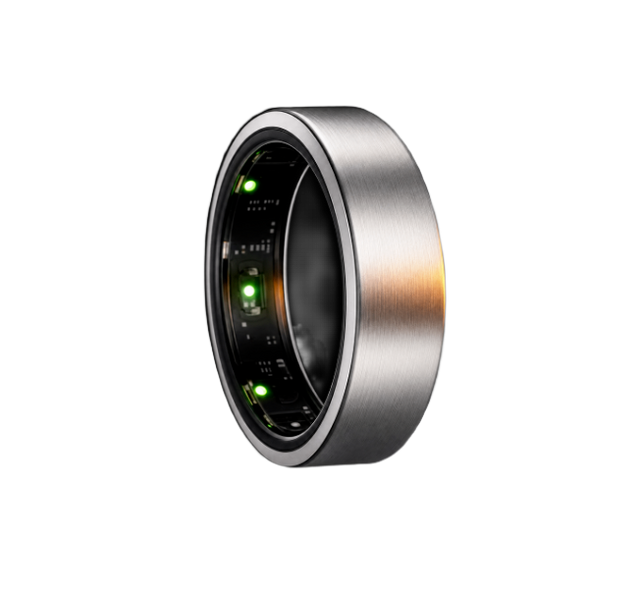
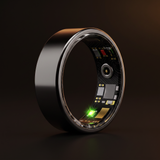
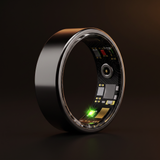
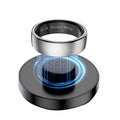
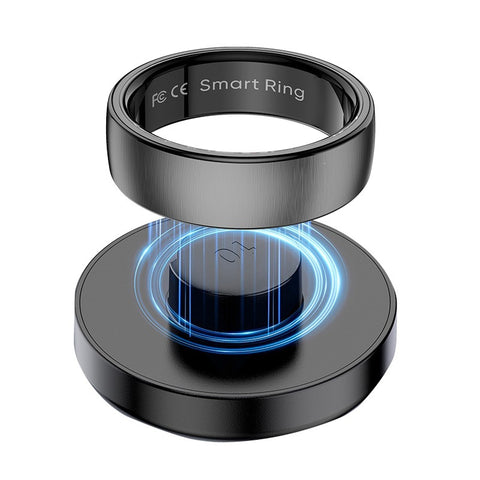
A wearable such as PulseRing Pro records sleep stages, heart rate, HRV and blood oxygen each night. That makes it easier to compare weeks with and without strips. These readings are estimates that have not been independently validated. The ring does not detect or diagnose sleep apnoea, so it never replaces seeing your GP.
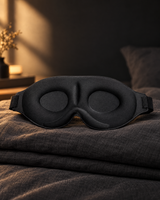
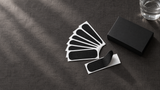
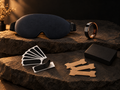
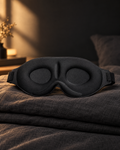
Want to try strips alongside other sleep tools? The Sleep Reset System includes PulseRing Pro, the Peak Blackout mask, Peak Mouth Tape and Peak Airflow.
When to see a GP about snoring
Snoring on its own is common and often harmless. But it can be a sign of obstructive sleep apnoea, where your airway repeatedly narrows or closes during sleep. The NHS says to see a GP if:
- lifestyle changes are not helping your snoring
- snoring is having a big impact on your life or your partner's
- your breathing stops and starts while you sleep
- you make gasping, snorting or choking noises while you sleep
- you feel very tired during the day and find it hard to concentrate
The NHS guide to sleep apnoea links untreated sleep apnoea to hypertension, stroke, type 2 diabetes and heart disease. It also raises the chance of accidents caused by tiredness. If sleep apnoea with excessive sleepiness is confirmed, you must not drive until symptoms are under control. Do not let a quieter night with a strip put off getting checked.
Frequently asked questions
Do nasal strips actually work for snoring?
For some people. Nasal strips reliably widen the nostrils and make nose breathing easier, and many users say they sleep better. But studies measuring snoring objectively show mixed results. One 2019 study of people with nasal congestion found no clear change. Strips are most likely to help when snoring comes from a blocked or narrow nose.
Do nasal strips help sleep apnoea?
No. A 2016 meta-analysis of 14 studies looked at nasal dilators in obstructive sleep apnoea. They did not significantly improve breathing pauses, the lowest oxygen level or the snoring index. In one study of severe sleep apnoea, strips served as a placebo because they had no effect. If you think you have sleep apnoea, see your GP.
What are the downsides of nasal strips?
The usual ones are skin irritation, redness, itching and a sore nose, plus occasional bruising or abrasion. Check for latex if you are allergic. Strips do nothing for snoring that starts in the throat. A quieter night can also hide sleep apnoea, so loud snoring with pauses in breathing still needs a GP.
Does the NHS recommend nasal strips?
The NHS does not recommend any brand. Its snoring page lists strips or nasal dilators that hold your nose open as one option. That applies when snoring comes from blocked or narrow airways in the nose. It also suggests talking to a doctor about the best treatment for you.
Are nasal strips better than mouth tape?
They do different jobs. Nasal strips open the front of the nose and are low risk for most adults. Mouth tape closes the mouth to encourage nose breathing, and its evidence is limited and mixed. Tape is unsafe if your nose is blocked or you might have sleep apnoea. If your nose feels stuffy at night, a strip is the safer first step.
Why do I still snore with a nasal strip on?
Your snoring probably starts further back, in the soft palate, tongue or throat, which a strip cannot reach. Sleeping on your back, alcohol and extra weight can all play a part. Try the NHS lifestyle steps. See your GP if snoring persists or your partner notices pauses in your breathing.
Sources
- Wheatley JR et al. Objective and Subjective Effects of a Prototype Nasal Dilator Strip on Sleep in Subjects with Chronic Nocturnal Nasal Congestion, Advances in Therapy, 2019
- Camacho M et al. Nasal Dilators (Breathe Right Strips and NoZovent) for Snoring and OSA: A Systematic Review and Meta-Analysis, Pulmonary Medicine, 2016
- Yagihara F et al. Nasal Dilator Strip is an Effective Placebo Intervention for Severe Obstructive Sleep Apnea, Journal of Clinical Sleep Medicine, 2017
- Maxwell M et al. Impact of nasal dilator strips on measures of sleep-disordered breathing in pregnancy, Journal of Clinical Sleep Medicine, 2022
- How Do Nasal Strips Work?, Sleep Foundation, 2025
- Snoring, NHS, 2023
- Sleep apnoea, NHS, 2026
This article is for general information and is not medical advice. PulseRing Pro is a wellness device, not a medical device, and does not diagnose or treat any condition. If you are worried about your health, speak to your GP or a qualified clinician.

How to Sleep With a Blocked Nose: Positions, Remedies and Safety
Why a blocked nose gets worse when you lie down, a bedtime plan that puts the safest steps first, what the evidence says about each remedy, the rules for children, and when to s...

How to Stop Snoring: Causes, Safe Fixes and When to See a Doctor
Why people snore, a quick self-check to find where your snoring comes from, the fixes in a safe order from side sleeping to dentist-fitted mouthpieces, and the sleep apnoea sign...

Mouth tape vs nasal strips: what each does and which is safer
Nasal strips open the nose, mouth tape closes the mouth. A side-by-side comparison, which to try first, whether to combine them, and the warning signs that need a doctor.