






You cannot switch deep sleep on, but you can make it easier for your body to get it. The habits with the best evidence are: sleep long enough at regular times, exercise most days but not hard right before bed, stop caffeine early in the day, go easy on alcohol, and keep your bedroom cool, dark and quiet.
Here is what the research says about each habit, and which popular tips fall short.
Key takeaways
- Deep sleep is regulated by your body. The most reliable way to get more of it is to protect your total sleep time, because most deep sleep comes in the first few cycles of the night.
- Regular exercise has a small but consistent benefit for deep sleep. Very hard sessions that finish within an hour of bedtime can make it harder to fall asleep.
- In a 2023 meta-analysis, caffeine cut deep sleep by about 11 minutes and total sleep by about 45 minutes. The authors suggest coffee at least 8.8 hours before bed.
- Alcohol can increase deep sleep early in the night but disrupts the second half, so it is a poor sleep aid.
- Change one habit at a time and judge it over two weeks, not one night.
What is deep sleep and why does it matter?
Deep sleep, also called N3 or slow-wave sleep, is the stage when your brain produces large, slow delta waves and you are hardest to wake. The Sleep Foundation links it with tissue and muscle repair through growth hormone release, immune function, blood sugar regulation and memory. If you want the full picture of how deep sleep fits alongside light and REM sleep, read our guide to sleep stages explained.
Two facts shape every tip here. Deep sleep is front-loaded into the first half of the night, and it declines naturally with age, levelling off in your 70s.
How much deep sleep do you need?
There is no agreed target. The Sleep Foundation estimates adults spend about 10% to 20% of total sleep in deep sleep, roughly 40 to 110 minutes for someone sleeping 7 to 9 hours, and says there is no consensus on an ideal amount. Other sources quote figures up to about 25%.
So a 55-year-old getting 50 minutes of estimated deep sleep may be entirely normal. What matters more is whether your own figure has changed, and whether you wake up rested.
Can you actually increase deep sleep?
Partly. Deep sleep is regulated by your body, and you cannot force extra deep sleep by trying harder to sleep. What you can do is remove the things that are known to cut it short or break it up, and add the few habits that nudge it up a little.
Be wary of anyone promising large increases. The effects in good research are mostly minutes, not hours, but these habits also improve total sleep, which is the bigger win.
Evidence-based habits for more deep sleep
1. Protect your total sleep time and keep it regular
Because deep sleep is concentrated in the early cycles, a very late bedtime can squeeze it, and a broken or irregular night makes it harder for your body to settle into those cycles. The NHS Every Mind Matters sleep guide puts a regular routine first: going to bed and getting up at similar times each day helps your body know when it is time to sleep.
A fixed wake-up time is the easiest anchor. Keep it similar at weekends and let your bedtime settle around it.
2. Exercise regularly
Exercise is one of the better-supported ways to nudge deep sleep. A 2015 meta-analysis of 66 studies by Kredlow and colleagues found that a single bout of exercise had small beneficial effects on slow-wave sleep and total sleep time, and that regular exercise improved total sleep time, sleep efficiency and sleep quality. Effects varied with age, fitness and the type and timing of exercise.
3. Do not fear evening training, but finish the hardest sessions earlier
Many people are told never to train in the evening. The evidence does not support that. A 2019 meta-analysis of 23 studies on evening exercise found slightly more slow-wave sleep after evening exercise than after no exercise, about 1.3 percentage points. The caveat: vigorous exercise that ended within an hour of bedtime was linked to taking longer to fall asleep and sleeping less. An easy evening run is fine. A max-effort interval session at 10pm is not.
4. Stop caffeine much earlier than you think
Caffeine is one of the clearest deep sleep disruptors. A 2023 systematic review and meta-analysis of 24 studies found caffeine reduced total sleep time by 45 minutes and reduced deep sleep by about 11 minutes, while increasing light N1 sleep. To avoid losing sleep, the authors calculated that a standard coffee should be drunk at least 8.8 hours before bed, and a standard serve of pre-workout supplement at least 13.2 hours before. For an 11pm bedtime, that puts your last coffee at around 2pm.
5. Treat alcohol as a sleep disruptor, not a sleep aid
A 2013 review of alcohol and sleep in healthy volunteers found that alcohol helps you fall asleep faster and most studies show more slow-wave sleep in the first half of the night. But sleep is more disrupted in the second half, and REM sleep is delayed and, at moderate and high doses, reduced across the night. The net result is lighter, more broken sleep when you most need it. The NHS suggests avoiding alcohol and nicotine for 1 to 2 hours before bed.
6. Keep the bedroom cool, dark and quiet
The NHS recommends a bedroom that is quiet, dark and cool, using earplugs, curtains, an eye mask, heating adjustments or background sound as needed. Your core temperature naturally drops as you fall asleep, and a warm, stuffy room works against that.
7. Try a warm bath or shower before bed
It sounds backwards, but warming up before bed may help. The Sleep Foundation reports that studies suggest heating the body before sleep may lead to more slow-wave sleep. Aim for a bath or shower an hour or two before bed rather than right before.
8. Eat more fibre and less saturated fat
The Sleep Foundation notes that a high-fibre diet is associated with more deep sleep, and diets high in saturated fat with less. This comes from small studies that show an association rather than proof of cause and effect, but eating more vegetables, pulses and whole grains is good advice anyway. Avoid large meals close to bedtime, which the NHS also flags.
9. Wind down and manage stress
The NHS suggests putting screens away for an hour before bed, trying reading or breathing exercises, and writing down worries or tomorrow's tasks. If you are still awake after about 20 minutes, get up and do something calm until you feel sleepy.
What about pink noise and sleep gadgets?
Pink noise, a softer, deeper cousin of white noise, is often sold as a deep sleep booster. The research behind it is more specific than the marketing. In a 2017 study of 13 older adults, short pulses of pink noise were timed to the peak of each slow brain wave using live brain monitoring. Slow-wave activity rose during the stimulation periods and overnight memory improved, but slow-wave activity across the whole night was similar to the sham night.
A speaker playing pink noise all night is not the same thing as that lab technique. If steady background sound helps you ignore street noise, use it, but do not expect it to transform your numbers.
Which habits have the strongest evidence?
| Habit | What the evidence shows | Strength of evidence |
|---|---|---|
| Enough sleep at regular times | Protects the early cycles where most deep sleep happens | Strong, and the biggest overall effect on sleep |
| Regular exercise | Small increases in slow-wave sleep, better sleep quality | Good, from meta-analyses |
| Earlier caffeine cut-off | About 11 minutes more deep sleep and 45 minutes more total sleep on average without caffeine | Good, from a meta-analysis |
| Less alcohol near bedtime | Less disrupted second half of the night, more REM | Good, from a large review |
| Cool, dark, quiet bedroom | Fewer disruptions and easier sleep onset | Widely recommended by the NHS |
| Warm bath before bed | May increase slow-wave sleep | Moderate, fewer studies |
| More fibre, less saturated fat | Linked to more deep sleep | Limited, small association studies |
| Pink noise at home | Lab studies used precisely timed pulses, not continuous sound | Weak for home use |
How to test what works for you
People respond differently, so run a small experiment on yourself. A wearable helps, as long as you remember that consumer devices estimate sleep stages rather than measure them, and are best used for trends.
- Pick one habit from the list, such as moving your last coffee to before 2pm.
- Keep everything else as steady as you can for two weeks.
- Compare your average estimated deep sleep, total sleep and how you feel in the mornings with the previous two weeks.
- Keep what helps. Drop what does not. Then try the next change.
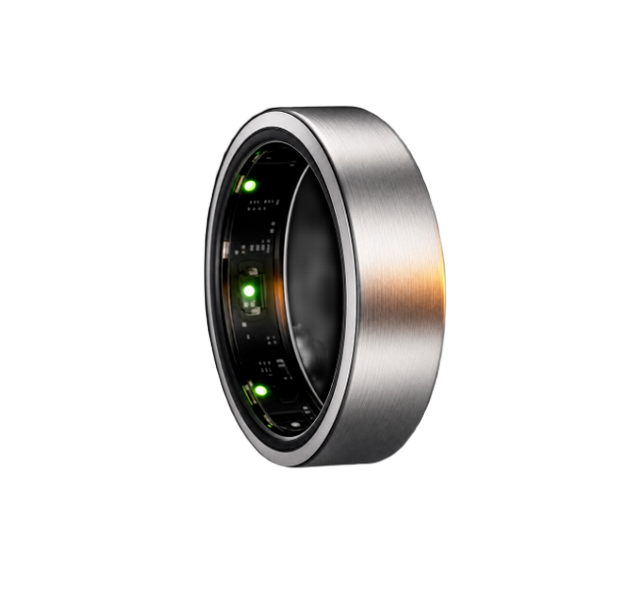
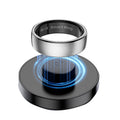
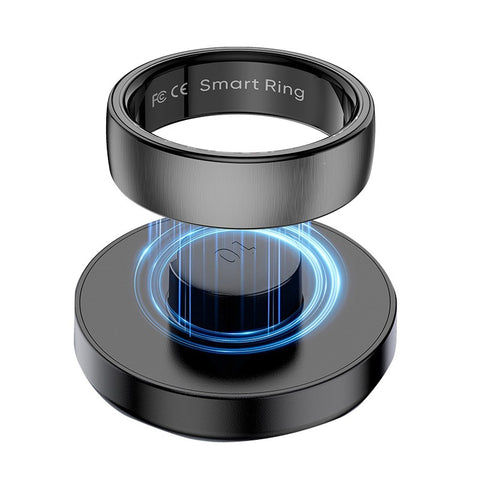
PulseRing Pro estimates your sleep stages every night alongside heart rate, HRV and blood oxygen, and builds your personal baseline over roughly two weeks of wear. Each morning you get one readiness score and one plain sentence: push, maintain or rest. No subscription, and every metric is included in the one-off price of £89.
If you also want protection for the ring during lifting and a way to top it up on the go, the Peak Starter Kit bundles the ring with its charging case and protector.
When to talk to your GP
Better habits help most people, but they do not fix a sleep disorder. The NHS advises seeing a GP if you have signs of sleep apnoea, such as breathing that stops and starts during sleep, gasping or choking noises, loud snoring, or feeling very tired during the day despite enough time in bed. Speak to your GP too if poor sleep has lasted for months or is affecting your mood, work or safety.
Frequently asked questions
How can I increase my deep sleep naturally?
Start with the basics that have the best evidence: sleep 7 to 9 hours at regular times, exercise most days, stop caffeine at least eight or nine hours before bed, limit alcohol, and keep your bedroom cool, dark and quiet. A warm bath an hour or two before bed and a diet higher in fibre may also help a little. Change one thing at a time so you can see what works.
Why am I not getting enough deep sleep?
Common reasons include short or irregular sleep, caffeine later in the day, alcohol, a warm or noisy bedroom and stress. Deep sleep also falls naturally with age, so a lower figure than a younger friend's may be normal. Remember that wearables estimate stages, so one low reading is not proof of a problem. If you feel unrefreshed for weeks, speak to your GP.
Does exercise increase deep sleep?
Yes, modestly. A 2015 meta-analysis found that a single bout of exercise had small beneficial effects on slow-wave sleep, and a 2019 review of evening exercise found slightly more slow-wave sleep afterwards than with no exercise. The main caveat is that very hard sessions finishing within an hour of bedtime can make it harder to fall asleep.
Does alcohol give you more deep sleep?
It can increase deep sleep in the first half of the night, which is why people feel it helps them sleep. But research shows it disrupts the second half of the night and delays and reduces REM sleep, so overall sleep quality is worse. The NHS suggests avoiding alcohol for 1 to 2 hours before bed, and less is better for sleep.
What time should I stop drinking coffee for better deep sleep?
A 2023 meta-analysis calculated that a standard coffee should be drunk at least 8.8 hours before bed to avoid losing sleep, and a standard pre-workout supplement at least 13.2 hours before. For an 11pm bedtime, that means your last coffee at around 2pm. People vary in how fast they clear caffeine, so adjust from there.
Sources
- How Much Deep Sleep Do You Need?, Sleep Foundation, 2025
- How to fall asleep faster and sleep better, NHS Every Mind Matters
- Kredlow MA et al. The effects of physical activity on sleep: a meta-analytic review, Journal of Behavioral Medicine, 2015
- Stutz J et al. Effects of Evening Exercise on Sleep in Healthy Participants: A Systematic Review and Meta-Analysis, Sports Medicine, 2019
- Gardiner C et al. The effect of caffeine on subsequent sleep: A systematic review and meta-analysis, Sleep Medicine Reviews, 2023
- Ebrahim IO et al. Alcohol and sleep I: effects on normal sleep, Alcoholism: Clinical and Experimental Research, 2013
- Papalambros NA et al. Acoustic Enhancement of Sleep Slow Oscillations and Concomitant Memory Improvement in Older Adults, Frontiers in Human Neuroscience, 2017
- Sleep apnoea, NHS, 2026
This article is for general information and is not medical advice. PulseRing Pro is a wellness device, not a medical device, and does not diagnose or treat any condition. If you are worried about your health, speak to your GP or a qualified clinician.


