Sleep mask for side sleepers: contoured vs flat, straps and fit
Why masks slip and leak light when you sleep on your side, and what to look for instead: contoured cups, a slim profile, a strap above the ears and a seal at the nose.

In this article
The best sleep mask for side sleepers is slim at the temples. Its contoured eye cups stop pillow pressure reaching your eyelids. The strap should sit above the ear, with no bulky buckle at the side. It also needs a seal at the nose that holds when your face is turned into the pillow.
No studies compare mask styles for side sleepers. So this guide works from what is known about how people sleep and what makes a mask fit. It covers contoured and flat masks, strap position, pillow pressure and materials. Then how to stop light leaking in at the nose.
Key takeaways
- Side sleeping is the most common position. In one study using body-worn sensors, adults spent about 54% of their time in bed on their side.
- Contoured masks keep fabric off your eyelids. That matters more when a pillow presses on one side of your face.
- Put the strap above your ears, around the back of your head. Avoid plastic or metal adjusters at the sides.
- Light usually gets in at the nose. Test the seal lying on your side, not sitting up.
- If you have glaucoma or have had eye surgery, ask your eye specialist about sleep position and masks.
Side sleeper sleep mask checklist
Use this when you compare masks in a shop or online. Each point is explained further down.
| Feature | What to look for | Why it matters on your side |
|---|---|---|
| Eye area | Contoured or moulded cups | The pillow cannot press fabric into the lower eye |
| Profile at the temples | Tapers thin towards the sides | Less bulk for the pillow to push against, so less shifting |
| Strap | Wide, sits above the ears, adjuster at the back | No ear folded into the pillow, no buckle on your temple |
| Nose | Shaped nose bridge or soft lower flap | Closes the gap that opens when the upper edge lifts |
| Outer fabric | Smooth and breathable | Slides on the pillowcase instead of dragging, and runs cooler |
| Care | Clear washing instructions | The side against the pillow gets warm and needs regular cleaning |
Why do sleep masks shift for side sleepers?
Most people spend a large part of the night on their side. A 2017 study by Skarpsno and colleagues in Nature and Science of Sleep tracked 664 working adults. Each wore accelerometers on the thigh, upper back and upper arm. During their time in bed, they spent on average:
- 54.1% on their side
- 37.5% on their back
- 7.3% on their front
They also changed position about 1.6 times an hour. The preference for side sleeping rose with age and body weight. So even if you fall asleep on your back, there is a good chance you wake up on your side.
That is where most masks start to fail. When one side of your face rests on a pillow, three things tend to happen:
- The pillow pushes the mask across your face, so it slides towards your nose or up on to your forehead.
- The cup or panel on the lower side gets pressed into your eye.
- The opposite edge lifts away from your cheek and the bridge of your nose. Light comes in through the gap.
Contoured or flat: which suits side sleepers?
There are no trials comparing contoured and flat masks, for side sleepers or anyone else. Our guide on whether sleep masks help you sleep covers the research that does exist on masks in general. The choice comes down to how each design behaves against a pillow.
| Contoured mask | Flat mask | |
|---|---|---|
| Shape | Moulded cups that sit around each eye | A single flat panel of fabric or padding |
| Contact with eyelids | Fabric sits clear of the eyes, so you can blink | Fabric rests on the eyelids |
| Under pillow pressure | The rim of the cup takes the load around the eye socket | Pressure passes straight through the fabric to the eye |
| Bulk | Usually thicker, especially at the outer edge | Thinner and softer, folds against the pillow |
| Best for | People who dislike anything touching their eyes | People who want the least bulk possible |
The Sleep Foundation's guide to sleep masks covers people whose eyes get irritated. For them, it says a mask with recessed eye cavities will usually be best. For side sleepers, the cups have a second job. They keep a pillow from pressing fabric directly on to the lower eye.
What to check on a contoured mask
Not every contoured mask suits side sleeping. Look at the outer edge, where the mask meets your temple. A deep cup that is also thick at the side gives the pillow more to push against. So it is more likely to shift. A profile that tapers towards the temples sits flatter against the pillow while still keeping the cup off your eye.
Where should the strap sit?
The strap is the part side sleepers notice most. Your ear and the side of your head are pressed into the pillow all night.
- Above the ears, not over them. A strap across the top of the ear folds it against the pillow, which gets sore. Angle it so it runs above the ears and around the back of your head.
- Adjusters at the back. The Sleep Foundation warns that plastic or metal band adjusters may cause discomfort. If there is a buckle or slider, make sure it ends up at the back of your head. It should not sit over your temple.
- Wide rather than thin. A wider band spreads the pressure. A thin elastic cord digs in where your head meets the pillow.
- Firm, not tight. A mask strapped tightly to stop it moving presses the cups harder into your face. If it slips, check the strap angle and your pillow first.
How does pillow pressure affect your eyes?
For most people, the main effect of pillow pressure is comfort. A mask pressing on the lower eye can feel unpleasant and may wake you. That is reason enough to keep fabric off the eyes.
There is one group who should take more care. Kaplowitz and colleagues published a 2019 review in Current Opinion in Ophthalmology. Compared with lying on your back, lying on your side raised pressure in the lower eye. The average rise was under 2 mmHg. Whether that affects glaucoma over time is not clear, and several studies failed to find a strong link. Even so, take care if you have glaucoma, recent eye surgery or any eye condition. Ask your eye specialist about your sleep position before adding a mask.
Your pillow matters as much as the mask
The Sleep Foundation's guide to side sleeping says side sleepers usually do best with a thicker pillow. The shoulder lifts the head higher off the bed. The pillow should fill the gap between your head and the mattress, so your head stays level with your spine. The same page notes that pressing your face into a pillow compresses the skin.
A pillow at the right height helps the mask too. If the pillow is too low, your head tips down and your face sinks into it. If it is too high, your head tips up and the mask is pushed towards your forehead.
Which materials work best for side sleeping?
The Sleep Foundation describes cotton and silk as light, breathable and hypoallergenic. It calls synthetics soft and light but less breathable, and says foam moulds to the face. Most contoured masks use a shaped foam with a fabric cover.
For side sleepers, two things matter more than the fibre:
- Heat. The side of your face against the pillow gets warm. A breathable cover is more comfortable over a full night.
- Surface. A smooth outer fabric is less likely to drag on the pillowcase when you turn over. So the mask is less likely to be pulled out of place.
Whatever the material, keep it clean. The Sleep Foundation notes that most masks can be washed by hand or machine. Repeated washing can wear the materials down, though, so follow the maker's care instructions.
How to stop light leaking in at the nose
The bridge of the nose is the hardest place to seal. The mask has to follow a sharp change in shape. When you lie on your side, the upper edge of the mask lifts away from your cheek. That opens a gap at the nose.
The gap matters. The Sleep Foundation's guide makes the point with numbers. A mask blocking 90% of light is far less effective than one blocking 95% to 99%. Why do small amounts of light at night count? Our article on sleep masks, light and melatonin explains the research.
To check the seal:
- Put the mask on in a lit room. Lie on your usual side, with your head on your own pillow.
- Open your eyes and look down towards your nose, then up, then to each side.
- If you can see light at the nose, try moving the mask slightly higher or lower before tightening the strap.
- Repeat on your other side, because the gap often appears on one side only.
A shaped nose section or a soft flap along the lower edge tends to close this gap. A straight lower edge usually does not.
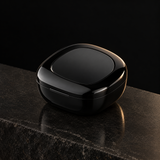
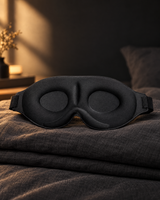
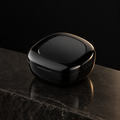
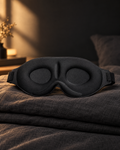
Peak Blackout is a 3D sleep mask in moulded memory foam. Two deep eye cups keep it off your lids and lashes. A contoured nose bridge helps block light at the nose. The cups are deep, so test the fit at your temples while lying on your side. It costs £29.99, in black, lilac, sage green, cream, sky blue or pink.
How to tell if your mask is working
Give any new mask a few nights. The Sleep Foundation notes there is usually an adjustment period. Your sleep may be a little unsettled while you get used to it. Put it on as part of winding down rather than the moment the light goes off.
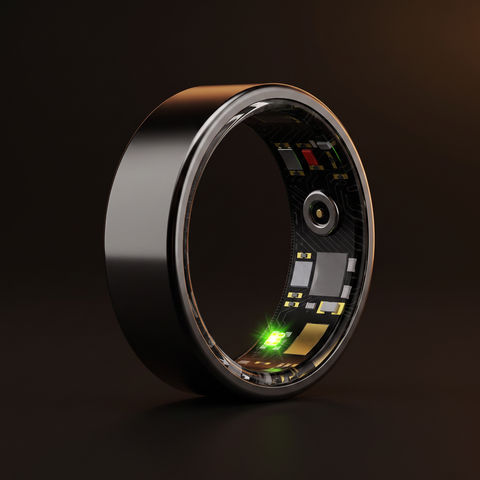
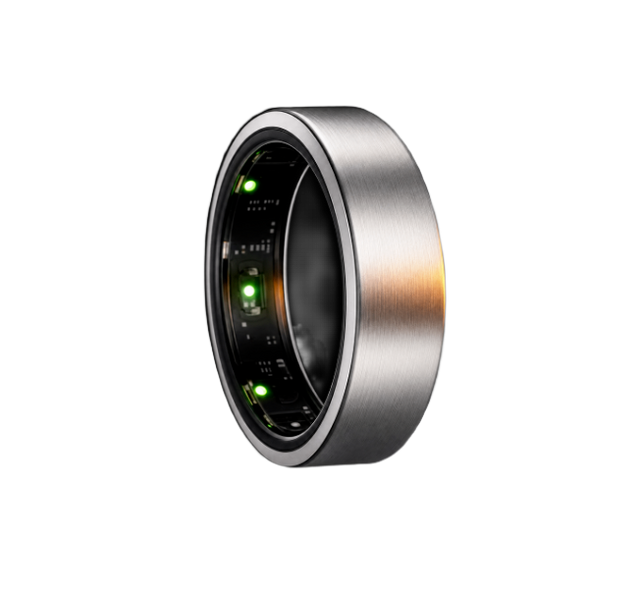
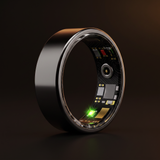
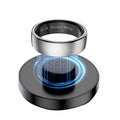
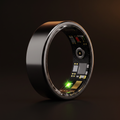
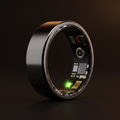
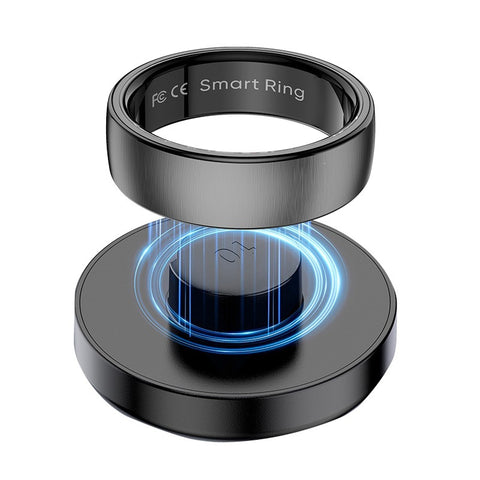
Then judge it over a week or two. Do you still wake with it on? Is it still in place in the morning? Do you wake at first light less often? A sleep tracker such as PulseRing Pro records sleep stages, heart rate and HRV each night. With one, you can compare a fortnight with the mask against a fortnight without. Its sleep staging is an estimate and has not been independently validated. So look at the trend, not single nights. Change one thing at a time so you know what made the difference.
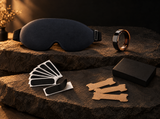
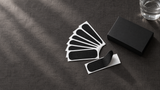
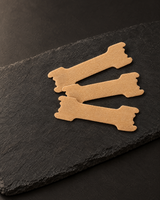
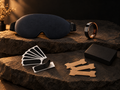
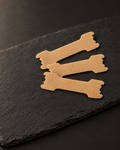
Putting together a whole sleep routine? The Sleep Reset System brings PulseRing Pro and Peak Blackout together with Peak Mouth Tape and Peak Airflow nasal strips.
When a mask will not solve the problem
A mask blocks light. It will not fix sleep that is broken for other reasons. The NHS advice on insomnia includes a dark bedroom, with an eye mask if needed. That is one part of good sleep habits, not a cure on its own. Speak to your GP or doctor if you lie awake most nights, or wake unrefreshed however long you sleep. The same goes if a partner notices loud snoring or pauses in your breathing.
Frequently asked questions
Can you wear a sleep mask if you sleep on your side?
Yes. Choose a mask with contoured eye cups, so the pillow does not press fabric on to your eyes. Look for a slim profile at the temples and a strap that sits above your ears. Test it lying on your side before you rely on it. A mask that fits well sitting up can shift or let light in on the pillow.
Are contoured sleep masks better for side sleepers?
No studies compare them directly, but contoured masks have a practical advantage for side sleepers. The moulded cups keep fabric off your eyelids. Pillow pressure is taken by the rim around the eye socket rather than the eye. Look for one that tapers at the sides, because a bulky outer edge gives the pillow more to push against.
How do I stop my sleep mask moving in the night?
Start with the strap angle. It should run above your ears and around the back of your head, firm but not tight. Then check your pillow height. A pillow that is too high or too low tips your head and pushes the mask out of place. A smooth outer fabric is also less likely to catch on the pillowcase when you turn.
Why does light get in at the bottom of my mask?
The bridge of the nose is the hardest area to seal. Lying on your side lifts the upper edge of the mask away from your cheek. Try the mask on your usual side in a lit room and look down towards your nose. Adjust its position before tightening the strap. Masks with a shaped nose section usually seal better.
Is it safe to sleep with pressure on your eyes?
For most people the issue is comfort rather than harm. Lying on your side does raise pressure slightly in the lower eye. A 2019 review found the rise was less than 2 mmHg on average, and its effect on glaucoma is unclear. If you have glaucoma or have had eye surgery, ask your eye specialist about sleep position and masks.
Sources
- Skarpsno ES et al. Sleep positions and nocturnal body movements based on free-living accelerometer recordings: association with demographics, lifestyle, and insomnia symptoms, Nature and Science of Sleep, 2017
- Kaplowitz K et al. Relationship between sleep position and glaucoma progression, Current Opinion in Ophthalmology, 2019
- Best Sleep Masks for Blocking out Light and Staying Asleep, Sleep Foundation, 2026
- Side Sleeping: Which Side Should You Sleep On?, Sleep Foundation, 2025
- Insomnia, NHS, 2024
This article is for general information and is not medical advice. PulseRing Pro is a wellness device, not a medical device, and does not diagnose or treat any condition. If you are worried about your health, speak to your GP or a qualified clinician.

Normal oxygen level during sleep: what your SpO2 numbers mean
Healthy overnight SpO2 ranges from sleep lab data, how low is too low, why wearable readings can be off, and the symptoms that mean you should see a doctor.

Winter sleep and mood: how light affects you and what really helps
How shorter days affect your body clock, sleep and mood, why Blue Monday is a marketing invention, and which winter habits and treatments have real evidence behind them.

Consistent sleep schedule: why a fixed wake time beats a lie-in
Sleep regularity can matter as much as sleep length. What the research shows, why big weekend lie-ins make Monday harder, and a step-by-step plan built around a fixed wake time.