













Do neck stretchers work? An honest look at the evidence
An honest look at the evidence on neck stretchers and cervical traction, whether they help posture, who should avoid them, how to use one gently, and when neck symptoms need a doctor or physiotherapist.

In this article
Do neck stretchers work? For comfort, they can. A few minutes lying back on one may ease the stiff, heavy feeling after a desk day. But research on cervical traction is mixed and mostly short term. No study shows that a home neck stretcher treats pain or changes your neck for good.
Below: what they are, what traction studies found, who should avoid them, gentle use, and when to see a professional.
Key takeaways
- Neck stretchers are home versions of cervical traction or gentle extension. Very little research looks at the shaped devices sold for home use.
- A Cochrane review of clinic traction found no good evidence either for or against it in long-lasting neck problems.
- A later meta-analysis found intermittent traction lowered pain slightly straight after treatment, with no clear benefit at follow-up.
- Exercise, especially strengthening, has better evidence for long-lasting neck pain than stretching alone.
- Skip a neck stretcher after a recent injury, with weak bones, or with arm numbness, tingling or dizziness. See a GP or physiotherapist about any nerve symptoms.
What is a neck stretcher?
"Neck stretcher" covers a few different products. The most common is a shaped foam or plastic support you lie on. A raised ridge sits under the curve of your neck and a cradle holds the back of your head. Your neck rests in a gentle arch while the weight of your head settles. Other designs include inflatable collars and over-the-door kits with weights.
They all borrow from cervical traction, a technique physiotherapists and other clinicians have used for decades. In a clinic, traction means a gentle pulling force along the neck, by hand or with a machine. It is usually one part of a wider treatment plan. A home neck stretcher is a far gentler version that relies on gravity rather than a measured force.
That matters when you read the evidence. Almost all of it is on clinic traction for people with a diagnosed neck problem. So any claims about home devices are an extrapolation.
Do neck stretchers work? What the research says
Traction may give some people a small, short-lived easing of symptoms. The evidence quality is not high.
The Cochrane review
A 2008 Cochrane review of mechanical traction for neck pain by Graham and colleagues found seven trials with 958 participants. Only one trial, with 100 people, had a low risk of bias. It looked at long-term neck problems with arm symptoms. It found no significant difference between continuous traction and placebo traction. The authors concluded that the research neither supports nor refutes traction for pain, function or self-rated improvement.
A later meta-analysis on intermittent traction
A 2017 meta-analysis in Spine by Yang and colleagues pooled seven randomised trials of intermittent cervical traction. In this type, the pulling force switches on and off. Straight after treatment, people who had traction reported slightly lower pain than those given a placebo. At later follow-up, pain scores were not significantly different. Neck disability scores did not differ at any point. The authors noted some risk of bias in the studies.
Traction alongside physiotherapy
Cervical radiculopathy is when an irritated nerve in the neck causes pain down the arm. A 2018 review in Physical Therapy by Romeo and colleagues looked at five trials in this group. Adding mechanical or manual traction to other physiotherapy reduced pain more than physiotherapy alone. The effects on function and disability were smaller. That is supervised treatment for a diagnosed nerve problem, not a reason to treat arm symptoms at home.
Home traction
Studies of home devices are scarce. One small crossover study of US Air Force F-15C pilots had 12 of 21 pilots complete both periods. Each did six weeks of home cervical traction and six weeks without it. Pain ratings dropped after traction sessions. But the difference in daily pain between the two periods was not statistically significant. A small, specialised group tells us little about desk workers.
Neck stretcher vs exercise: what has better evidence?
If you want a neck that feels better over weeks and months, exercise has the stronger case. A 2015 Cochrane review of exercise for neck pain by Gross and colleagues included 27 trials. For long-lasting neck pain, moderate-quality evidence supported strengthening exercises for the neck, shoulders and upper back. Low-quality evidence suggested stretching on its own may not change pain or function. No approach had high-quality evidence, but strengthening came out ahead.
| Approach | What it is | What the evidence suggests |
|---|---|---|
| Home neck stretcher | Lying back on a shaped support for a few minutes | Barely studied directly. Reasonable for comfort, not a treatment. |
| Clinic traction | A measured pulling force, by hand or machine, from a professional | Small short-term pain relief in some studies. Mixed overall. |
| Stretching alone | Gentle neck and shoulder stretches | Low-quality evidence of little change in pain or function. |
| Strengthening exercise | Exercises for the neck, shoulders and upper back | Moderate-quality evidence of benefit for long-lasting neck pain. |
None of this makes a neck stretcher pointless. A few minutes lying back can feel good and give you a break from screens. Treat it as a comfort habit alongside movement and exercise, not instead of them.
Do physiotherapists or chiropractors recommend neck stretchers?
Views vary between individual practitioners, and you will find some who use or suggest them. The professional guidance cited here takes a different focus. The Chartered Society of Physiotherapy's self-help advice on neck pain focuses on exercises. It does not mention devices. The NHS likewise advises keeping your neck moving.
If a physiotherapist or chiropractor who has examined you suggests one, that advice fits your neck. Without an assessment, treat a neck stretcher as a comfort tool only.
Why does your neck feel stiff after a desk day?
It is tempting to blame posture, and many neck stretchers are sold as posture fixes. The picture is less simple. The Chartered Society of Physiotherapy says there is growing evidence that posture plays a much smaller role than once thought. Staying in one position for a long time, at a desk or a screen, appears to matter more. Poor sleep, muscle tension, stress and low activity can also make the neck more sensitive.
So change position often, get up regularly and keep active. The NHS neck pain guidance recommends keeping your neck moving and using a low, firm pillow. It advises against a neck collar unless a doctor suggests one. That is UK advice, though similar guidance applies widely. Sleep part of the problem? Our guide to getting more deep sleep covers the best-evidenced habits.
Who should not use a neck stretcher?
Some people should skip a neck stretcher, or get professional advice first.
- After a recent neck injury, such as whiplash, a fall or a sports knock, until a doctor has checked you.
- If you have osteoporosis or another condition that weakens your bones.
- If you have numbness, tingling, pins and needles or weakness in an arm or hand.
- If you get dizzy, light-headed or unsteady when you tip your head back or turn it.
- If you have had neck surgery, or have a known condition of the neck joints, discs or spinal cord.
- If you have rheumatoid arthritis or another inflammatory joint condition.
- If you are pregnant and unsure, ask your midwife or GP first.
If in doubt, ask a physiotherapist or your doctor before you start. In many parts of the UK you can refer yourself to an NHS physiotherapy service without seeing a GP first.
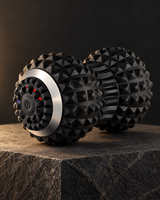
The CerviRelief Pro is a shaped neck stretcher with a supporting ridge and a head cradle. It is made for a few minutes of lying back after a desk day. It is a comfort and stretching tool, not a treatment for pain, posture or any condition. £14.99.
How to use a neck stretcher gently
Go easy, especially at first. It should feel like a gentle stretch, never a strain.
- Lie on your back on the floor or a firm bed, knees bent, feet flat.
- Place the stretcher so the ridge sits under the curve of your neck and your head rests in the cradle. Your head should feel supported, not hanging.
- Let your arms rest by your sides and breathe slowly. Let your shoulders sink down.
- Start with one or two minutes. If that feels fine, build up gradually to a few minutes. Longer is not better.
- Keep your head still or make small, slow nods. Do not push your head back hard or roll it forcefully from side to side.
- To get up, roll onto your side first, then push yourself up with your arms.
- Do not fall asleep on it, and do not add weights or extra force.
Stop straight away if you feel sharp pain, dizziness, tingling or numbness. The same goes for a headache that builds, or anything that feels wrong. If symptoms do not settle once you stop, speak to your GP or a physiotherapist.
When neck symptoms need a doctor or physiotherapist
Most neck pain improves with time. The Chartered Society of Physiotherapy notes that most muscle and joint problems get better within 6 weeks to 8 weeks. Around half of people with neck pain will have it come back at some point. But some symptoms are a sign to stop self-treating and get checked.
See a GP, says the NHS, if neck pain or stiffness lasts more than a few weeks. Go sooner if painkillers have not helped, or you have pins and needles or a cold arm. The CSP's self-management advice adds:
- Pins and needles in an arm together with pain.
- Weakness or heaviness in your arms or legs, or changes in your walking or balance.
- Problems with coordination, such as fastening buttons.
- Night pain that is worse than daytime pain or stops you sleeping.
- Feeling unwell with a fever, night sweats or unexplained weight loss.
- A new, severe headache.
- Loss of bladder or bowel control. This needs urgent help, so contact NHS 111 or emergency services rather than waiting.
Arm symptoms in particular deserve a proper assessment, not a gadget.
Fitting a neck stretcher into your recovery routine
Think of a neck stretcher as one small comfort habit at the end of a long day. Pair it with what carries more weight: movement breaks, upper back and shoulder strengthening, enough sleep and a way to wind down. If you track your recovery with a wearable, see our guide to readiness scores. It explains how sleep and heart rate trends can show when you need an easier day. Delivery and returns are covered in our FAQs.
Frequently asked questions
Do neck stretchers actually work?
For comfort, many people find them pleasant. As a treatment, the evidence is weak. A Cochrane review could neither support nor rule out clinic traction for long-lasting neck problems. A meta-analysis found only a small, short-term drop in pain. Home neck stretchers themselves have barely been studied.
How long should I lay on my neck stretcher?
Start with one or two minutes. Build up gradually to a few minutes if it feels comfortable, as longer sessions are not better. Lie on a firm surface, let your head rest in the cradle and breathe slowly. Get up by rolling onto your side. Stop straight away if you feel pain, dizziness, tingling or numbness.
Can a neck stretcher fix my posture?
There is no good evidence that a neck stretcher changes posture. The Chartered Society of Physiotherapy says posture plays a much smaller role in neck problems than once thought. Staying in one position for long periods seems to matter more. Regular movement breaks and strengthening exercise are a better use of your time.
Do chiropractors recommend neck stretchers?
Some individual practitioners do, and others do not. The physiotherapy and NHS advice cited here focuses on movement and exercise, not devices. If a professional who has examined your neck suggests one, follow their advice. Otherwise, treat a neck stretcher as a comfort tool, not a treatment.
Who should not use a neck stretcher?
Avoid one after a recent neck injury, or if you have osteoporosis or weak bones. Skip it with numbness, tingling or weakness in an arm or hand. Skip it too if tipping your head back makes you dizzy. After neck surgery, or with an inflammatory joint condition, ask a doctor or physiotherapist first.
Should I use a neck stretcher for pins and needles in my arm?
No. Pins and needles, numbness or weakness in an arm can mean an irritated nerve in the neck. That needs a proper assessment. The NHS advises seeing a GP if you have neck pain with pins and needles or a cold arm. A physiotherapist or doctor can work out the cause and the right treatment.
Sources
- Graham N et al. Mechanical traction for neck pain with or without radiculopathy, Cochrane Database of Systematic Reviews, 2008
- Yang JD et al. Intermittent cervical traction for treating neck pain: a meta-analysis of randomized controlled trials, Spine, 2017
- Romeo A et al. Cervical radiculopathy: effectiveness of adding traction to physical therapy, a systematic review and meta-analysis, Physical Therapy, 2018
- Chumbley EM et al. Home cervical traction to reduce neck pain in fighter pilots, Aerospace Medicine and Human Performance, 2016
- Gross A et al. Exercises for mechanical neck disorders, Cochrane Database of Systematic Reviews, 2015
- Neck pain, NHS
- Causes of neck pain, Chartered Society of Physiotherapy
- Managing your neck pain, Chartered Society of Physiotherapy
This article is for general information and is not medical advice. PulseRing Pro is a wellness device, not a medical device, and does not diagnose or treat any condition. If you are worried about your health, speak to your GP or a qualified clinician.

Smart ring for running: what it adds to your running watch
A ring will not track your pace or distance, but it can show how well you recover between runs. Here is how a smart ring and a running watch work together, and what the research...

Signs of Overtraining and How Data Helps You Avoid It
The physical and mental signs of overtraining, how to tell it from normal tiredness, what your resting heart rate and HRV can and cannot show, and how to recover.

Gym gifts for men and gym lovers who have everything (2026)
Gym gift ideas for the man, or any gym lover, who already owns the kit, sorted by budget, with honest notes on what recovery gadgets actually do.