





Winter sleep and mood: how light affects you and what really helps
How shorter days affect your body clock, sleep and mood, why Blue Monday is a marketing invention, and which winter habits and treatments have real evidence behind them.

In this article
Winter can affect sleep and mood because shorter days mean less bright light reaching your eyes. That can shift your body clock later, and it is linked to low mood in some people. What helps most is daylight early in the day, regular exercise, a fixed wake time and dim evenings. If low mood lasts, see a doctor.
Below: how light sets your body clock, and why "Blue Monday" is a myth but winter low mood is not. Then the evidence on light boxes and vitamin D. Last, what winter can look like in your sleep and heart data.
Key takeaways
- Light is the main signal that sets your body clock. Indoor winter life means too little bright light by day and too much artificial light at night.
- "Blue Monday" was invented for a travel company's press release. Winter low mood and seasonal affective disorder (SAD) are real, and treatable.
- Light therapy helps some people with SAD, but the studies are small and mixed. Speak to a doctor before you try it.
- Morning daylight, exercise, a steady wake time and a dark evening are low-risk habits. They support both sleep and mood.
- Resting heart rate tends to peak in January. A small winter rise on your wearable is not unusual on its own.
Why does winter affect sleep and mood?
Your body clock runs on a cycle of roughly a day and needs a daily reset. Bright light, especially in the morning, is the strongest reset signal. In winter, days are shorter and the light is weaker. Most of us also spend the few daylight hours indoors.
A 2013 study by Wright and colleagues in Current Biology showed how much this matters. People swapped modern life for a week of camping with only natural light. Their body clocks shifted earlier and lined up with sunset and sunrise. In normal life, they had less sunlight by day, more light after sunset, and later body clocks. Winter makes that gap wider.
The NHS page on seasonal affective disorder says the exact cause of SAD is not fully understood. Reduced winter sunlight is thought to affect the brain chemicals melatonin and serotonin. With them, it may affect mood and sleep.
How much light do you actually need?
In 2022, an international group led by Brown published recommendations for daytime, evening and night-time light in PLOS Biology. Their advice, simplified:
- Daytime: bright light at eye level throughout the day, ideally from daylight. Their minimum is well above what many offices and homes provide in winter.
- Evening: dim, warm light for at least the last 3 hours before bed.
- Night: the bedroom as dark as possible.
Outdoor daylight, even on a grey winter morning, is typically much brighter than ordinary indoor lighting. That is why a walk outside does more than sitting under a ceiling light.
A note for readers in the southern hemisphere
If you are reading this in Australia, New Zealand, South Africa or South America, January is your summer. Everything here applies to your winter months, roughly June to August.
Is Blue Monday real?
No. "Blue Monday" is the claim that the third Monday in January is the most depressing day of the year. In 2027 it falls on 18 January. It is a marketing invention. According to Manchester Mind, the idea began in 2004. A travel company asked a psychologist for a January blues formula, for a press release selling summer holidays. The man behind the formula later admitted it was essentially pseudoscience.
Mental health charities point out that the idea can trivialise depression, which can affect anyone on any day. The useful message is not about one Monday. Low mood in winter is common, and persistent low mood deserves proper attention.
Winter blues or seasonal affective disorder?
Feeling a bit flatter and more sluggish in the dark months is common. Seasonal affective disorder is a type of depression that comes and goes in a seasonal pattern. It usually starts in autumn or winter. The NHS lists symptoms including:
- low mood and a lack of interest in things you usually enjoy
- feeling guilty, hopeless or worthless
- feeling restless or irritable, and difficulty concentrating
- being more hungry and eating more than usual
- being more tired and sleeping more than usual
If these affect your daily life, or the same pattern returns each winter, speak to a doctor. The US National Institute of Mental Health describes four main types of treatment. They are light therapy, talking therapy, antidepressants and vitamin D.
If you ever have thoughts of harming yourself, get help straight away. In the UK, the NHS says to call 111 and choose the mental health option for urgent help. You can also ask for an urgent GP appointment. Call 999 or go to A&E if a life is at risk, or you cannot keep yourself safe. Elsewhere, contact your local emergency services.
What actually helps with winter sleep and mood?
The table sums up the main options and how strong the evidence is. Several are easy habits. Others need a conversation with your doctor first.
| What helps | What the evidence says | Notes |
|---|---|---|
| Daylight early in the day | Strong evidence that light sets the body clock; recommended by the NHS for SAD | Go outside in the morning or at lunchtime, even on cloudy days |
| Regular exercise | Recommended by the NHS as self-help for SAD | Outdoor exercise in daylight does two jobs at once |
| Consistent sleep and wake times | Recommended by the NHS; regular timing supports the body clock | Anchor your wake time first |
| Light therapy (light box) | Helps some people with SAD; studies are small and varied | Speak to a doctor first, especially with eye conditions or light-sensitising medicines |
| Talking therapy and antidepressants | Established treatments for depression, including SAD | Through your doctor or local mental health services |
| Vitamin D | Advised in the UK in autumn and winter for bone and muscle health; mixed results for mood | Do not exceed the safe upper limit |
Does light therapy work?
Light therapy means sitting near a bright light box, usually in the morning. A 2020 meta-analysis by Pjrek and colleagues in Psychotherapy and Psychosomatics pooled 19 randomised trials. Bright light therapy worked better than a placebo light for SAD symptoms. The authors also noted that the trials were small and varied, and called for larger, better studies.
The evidence for using light to prevent SAD before symptoms start is weaker still. There are too few trials to draw firm conclusions.
So light therapy is not usually available on the NHS. The NHS says there is not enough evidence on whether it works. It also notes that many people find it helps. It advises a light box of 10,000 lux and talking to a GP before trying it. The NIMH describes a typical routine of 30 minutes to 45 minutes each morning through the darker months.
Should you take vitamin D in winter?
The NHS advises everyone in the UK to consider 10 micrograms of vitamin D daily, October to early March. Winter sunlight is not strong enough for the skin to make enough. The NHS sets an adult upper limit of 100 micrograms a day. Other countries have their own advice, so check with your national health service. The NIMH says studies of vitamin D for SAD have given mixed results. Think of it as looking after your bones and muscles, not as a mood treatment.
What does winter look like on a wearable?
Your data can change in winter without anything going wrong. A study of 92,457 adults by Quer and colleagues found a small seasonal pattern in resting heart rate. The average was highest in January and lowest in July. Colds, less outdoor activity and the holiday season all add noise.
A few things are worth watching:
- Sleep timing. Is your wake time drifting later on dark mornings? That is the body clock slipping.
- Sleep length. Sleeping much longer than usual and still feeling unrefreshed can be one sign of winter low mood. Note it alongside how you feel.
- Resting heart rate and HRV. Compare your weekly averages with your own autumn numbers. Our guide to normal resting heart rate explains what counts as a meaningful change.
Your data cannot tell you whether you have SAD, and it should never replace a conversation with your doctor. It can help you notice a pattern early and see whether your habits are making a difference.
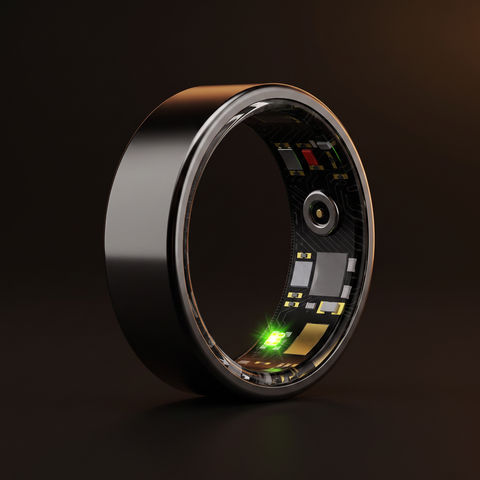
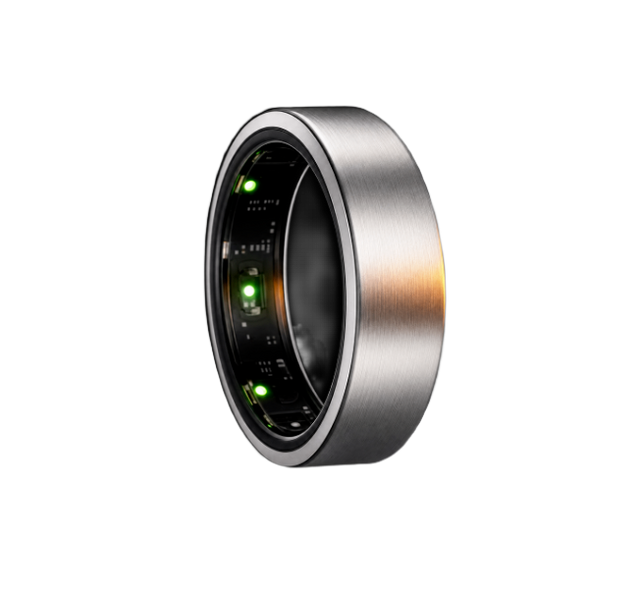
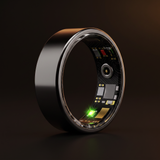
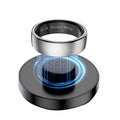
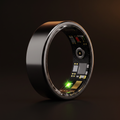
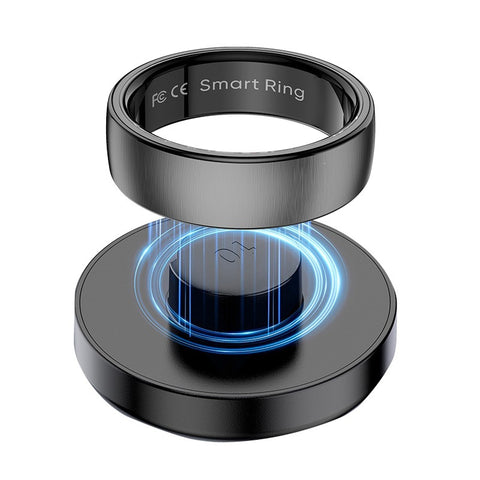
PulseRing Pro tracks your sleep stages, heart rate, HRV and blood oxygen every night. It turns them into one readiness score and one plain call each morning: push, maintain or rest. Its readings are estimates that have not been independently validated, so watch the trend rather than single nights. It lasts up to 7 days per charge and has no subscription, with every metric included for £89.
A simple winter routine for better sleep and mood
- Fix your wake time. The same time every day, including weekends. Our guide to a consistent sleep schedule explains why this matters so much.
- Get outside within a couple of hours of waking. A walk of 15 minutes to 30 minutes, a cycle to work or coffee by an open door all count.
- Move your exercise into daylight where you can. A lunchtime run beats an evening one for light.
- Brighten the day indoors. Work near a window and open the curtains fully.
- Dim the evening. Lower the lights and avoid bright screens for the last hour or two before bed.
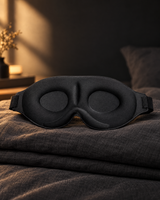
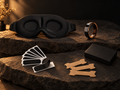
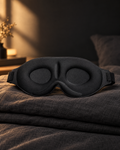
- Keep the bedroom dark. Blackout curtains or a contoured sleep mask help if streetlights shine in.
- Stay in touch with people. The NHS lists keeping up social contact and usual activities as self-help for SAD.
Want to see whether one of these changes helps you? Our 14-night sleep experiment shows how to test one habit at a time.
Frequently asked questions
Why do I sleep more in winter?
Longer nights, less daylight and a body clock that drifts later all make dark mornings harder. Many people sleep a little longer in winter. Sleeping much more than usual, with low mood, low energy and loss of interest, can be a sign of SAD. That is worth discussing with a doctor.
Is Blue Monday real?
No. Blue Monday claims the third Monday of January is the saddest day of the year. It came from a 2004 formula created for a travel company's press release. Its creator later admitted it was essentially pseudoscience. Low mood in winter is real for many people, but it is not tied to one day.
Do SAD lamps work?
They help some people. A 2020 meta-analysis of 19 trials found bright light therapy beat placebo light for seasonal affective disorder. But the studies were small and varied. The NHS does not usually provide light therapy for this reason. It advises speaking to a GP or doctor first, especially if you have eye problems.
How can I get more daylight in winter?
Go outside in the first few hours after waking, even on grey days. Outdoor light is usually much brighter than indoor light. Walk or cycle to work if you can, take a lunchtime walk and sit near windows. Move exercise into daylight hours when possible, and keep your evenings dim.
Does vitamin D help winter low mood?
The evidence is mixed. The US National Institute of Mental Health says studies of vitamin D for SAD have produced mixed results. In the UK, the NHS advises everyone to consider 10 micrograms a day from October to early March. That is for bone and muscle health. Do not exceed 100 micrograms a day.
Sources
- Seasonal affective disorder (SAD), NHS
- Seasonal Affective Disorder, National Institute of Mental Health (NIH)
- Wright KP et al. Entrainment of the human circadian clock to the natural light-dark cycle, Current Biology, 2013
- Brown TM et al. Recommendations for daytime, evening, and nighttime indoor light exposure to best support physiology, sleep, and wakefulness in healthy adults, PLOS Biology, 2022
- Pjrek E et al. The efficacy of light therapy in the treatment of seasonal affective disorder: a meta-analysis of randomized controlled trials, Psychotherapy and Psychosomatics, 2020
- Quer G et al. Inter- and intraindividual variability in daily resting heart rate and its associations with age, sex, sleep, BMI, and time of year, PLOS One, 2020
- Vitamin D, NHS
- Dispelling the myth of Blue Monday, Manchester Mind
- Where to get urgent help for mental health, NHS, 2026
This article is for general information and is not medical advice. PulseRing Pro is a wellness device, not a medical device, and does not diagnose or treat any condition. If you are worried about your health, speak to your GP or a qualified clinician.

Consistent sleep schedule: why a fixed wake time beats a lie-in
Sleep regularity can matter as much as sleep length. What the research shows, why big weekend lie-ins make Monday harder, and a step-by-step plan built around a fixed wake time.

How much REM sleep should you get a night? Normal amounts by age
How much REM sleep is normal at different ages, why alcohol and short nights cut it, how to get more, and how far to trust your tracker's REM figure.

Dry January benefits for sleep and HRV: what a month off does
What the Dry January research really found about sleep, what an alcohol-free month may show on a wearable, how to run it as a simple experiment, and who should not stop drinking...