





Can You Swim With a Smart Ring? Water Ratings Explained
What ATM and IP water ratings mean for a smart ring, and how to look after one in the shower, the pool, the sea, hot tubs and saunas.

In this article
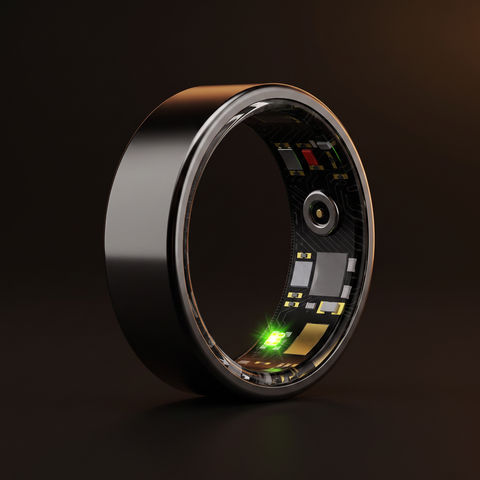
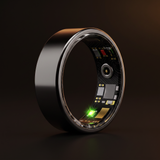
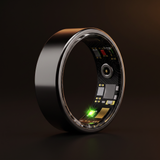
Yes, you can swim with a smart ring if it carries a swim-level water rating such as 5ATM. PulseRing Pro is rated 5ATM, water resistant to 50 metres. So showers, pool swims and the sea are fine. That rating is a pressure test, not a licence to dive, and it says nothing about heat.
This guide explains what ATM and IP ratings actually mean. Then it covers showers, pools, the sea, hot tubs and saunas. Last, how to dry a ring before you charge it.
Key takeaways
- ATM ratings describe the water pressure a device withstands in a test. 5ATM equals 50 metres of still water and covers swimming, not scuba diving.
- IP ratings are a different system. IPX7 covers splashes and brief immersion, not swimming.
- Soap, shampoo, sunscreen and lotions can affect water seals. Rinse the ring in fresh water after the pool, the sea or a soapy shower.
- A water rating says nothing about heat. Take a smart ring off for saunas and steam rooms, and check your brand's guidance on hot tubs.
- Dry the ring and the charging contacts fully before you charge. Water on a charging connector can corrode it.
Can you swim with a smart ring?
With most current smart rings, yes, but check the rating first. A ring rated 5ATM or higher is generally suitable for swimming. A ring with only a splash rating, or an IPX7 rating, is not built for regular swimming.
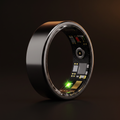
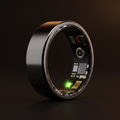
PulseRing Pro is rated 5ATM, water resistant to 50 metres. You can wear it in the shower, in the pool and in the sea. It is not rated for scuba diving. New to smart rings? Our guide to what a smart ring is and how it works explains what the sensors do.
Two words cause most of the confusion: waterproof and water resistant. The International Electrotechnical Commission created the IP code. It describes its ratings as a way to avoid confusion over vague marketing terms like "waterproof". Apple puts it plainly: its watch is water resistant, but not waterproof. The same is true of any smart ring. Water resistance is a tested level of protection, not a promise that water can never get in.
Will a smart ring track your swim?
That is a separate question from the water rating. Some rings log swims as workouts and some do not, so check the brand's own feature list. Do not assume a swim-rated ring counts lengths or strokes. For PulseRing Pro, swimming is about wearing it without worry. Its main job is the overnight reading and the morning readiness call.
What does 5ATM mean?
ATM stands for atmospheres, a unit of pressure. Each atmosphere roughly equals the pressure of 10 metres of still water. So 5ATM is equivalent to 50 metres. The rating comes from a test on a lab bench, not from a diver taking the device to that depth.
For watches, the international standard is ISO 22810:2010, Horology: water-resistant watches. It sets the test methods used to verify water resistance, and the markings a manufacturer may apply. ISO last reviewed and confirmed it in 2021. Apple gives its standard watches a 50 metre rating under this standard. It says they suit shallow-water activities such as swimming in a pool or the ocean.
Garmin publishes one of the clearest manufacturer explanations of what each level is suitable for:
| Rating | Equivalent pressure | Suitable for (Garmin's definitions) |
|---|---|---|
| 1 ATM | 10 metres | Splashes, rain or snow, showering |
| 3 ATM | 30 metres | As above, plus jumping into water |
| 5 ATM | 50 metres | Splashes, rain, showering, swimming, diving into water, snorkelling |
| 10 ATM | Higher | As above, plus high-speed water sports |
| Dive rating | Stated depth | Scuba diving, tested to the EN13319 dive standard |
Why 50 metres does not mean you can dive to 50 metres
The test uses still water. Real water moves, and movement adds pressure. Garmin warns that a device can still let water in during an activity that creates pressure beyond its rating. That holds even when it never goes near the rated depth. Jumping in, fast strokes and waves all push water harder against the seals than floating does. That is why 5ATM covers swimming and snorkelling, but scuba diving needs a dedicated dive rating.
What is the difference between ATM and IP ratings?
IP stands for ingress protection. According to the IEC, the IP code has two numerals. The first grades protection against solid objects such as dust, from 0 to 6. The second grades protection against liquids, from 0 to 9. The full test conditions are set out in the standard IEC 60529. Where you see an X, as in IPX7, the dust digit has been left out.
The key point for swimmers is that IP water tests are mostly short. Garmin describes IPX7 as withstanding incidental exposure to water up to 1 metre for up to 30 minutes. That suits splashes, rain and showering. It does not list swimming. Apple says its earliest watches, rated IPX7, are splash and water resistant but should not be submerged.
So if you plan to swim, look for an ATM rating rather than an IP rating alone.
Can you wear a smart ring in the shower?
A 5ATM ring handles shower water easily. The bigger issue is what is in the water. Apple lists several things that can affect water seals. They include soap, shampoo, lotions, sunscreen, perfume and hair dye. Apple advises rinsing with fresh water and drying with a lint-free cloth after contact.
Your skin matters too. The NHS says contact dermatitis is most commonly caused by irritants such as soaps and detergents. Regular contact with water can cause it too. A ring can trap soap and moisture against the skin. If you shower with it on, rinse under the ring before you get out. Then dry your finger and the inside of the ring. If the skin under the ring turns red or itchy, give it a break. Dry it thoroughly before the ring goes back on.
Is chlorine bad for a smart ring?
A swim-rated ring is designed for pool use, and brands differ in how they describe chlorine. Oura's FAQ, for example, says chlorine will not damage its ring. Apple advises gently rinsing its watch under lightly running, warm, fresh water after swimming. Then dry it thoroughly.
A note on cold water
Cold makes fingers shrink. A ring that is snug on land can feel loose after a long, cold swim. And a loose ring is easier to lose. If you swim outdoors in cold water, check the fit before you go in. Ask yourself whether you need the ring for that session.
Can you wear a smart ring in the sea?
Yes, a 5ATM ring is fine in the sea for swimming and snorkelling. A few habits keep it in good condition:
- Rinse after every swim. Salt dries on the surface and around seals, and sand can scratch. Rinse in fresh water and dry with a soft, lint-free cloth.
- Avoid high-speed impacts. Apple advises against wearing its watches for cliff diving or high diving. It keeps most models away from high-velocity water such as water skiing. The same physics applies to a ring.
- Do not scuba dive with it. 5ATM is a swimming rating. Garmin reserves scuba use for devices tested to a dive standard.
- Watch the sunscreen. Apple lists sunscreen among the substances that can affect seals. Apply it before you put the ring on, or rinse the ring afterwards.
PulseRing Pro is rated 5ATM, water resistant to 50 metres. Wear it in the shower, the pool and the sea. It weighs about 4 grams and has a titanium shell. It lasts up to 7 days per charge and costs £89 with no subscription.
Can you wear a smart ring in a hot tub or sauna?
This is where water ratings stop being useful. ATM and IP ratings test water pressure and immersion. They do not test heat, and heat is what saunas, steam rooms and hot tubs add.
Brands disagree here, which is a good reason to follow your own ring's instructions rather than general advice. Oura says its ring can be worn in hot tubs and saunas. Apple says to avoid wearing its watch in a steam room. It keeps most models out of saunas altogether, and even its toughest model out of saunas above 55°C. Apple also says water resistance is not permanent and can diminish over time.
PulseRing Pro's 5ATM rating covers showering, swimming and the sea. It says nothing about saunas or steam rooms, so take the ring off for those. For hot tubs, our advice is the same: take it off. Heat is the one thing a water rating does not cover. And a hot tub session is short enough that you lose little data.
How should you dry a smart ring before charging?
Always dry the ring and the charger contacts completely before you charge. Apple's guidance on wet charging ports explains why: charging while a connector is wet can corrode the pins. It advises waiting at least 30 minutes, and up to a day in a dry place with some airflow. It warns against external heat, compressed air or objects such as cotton buds.
The same principles work for a smart ring:
- Rinse the ring in fresh water if it has been in the pool, the sea or soapy water.
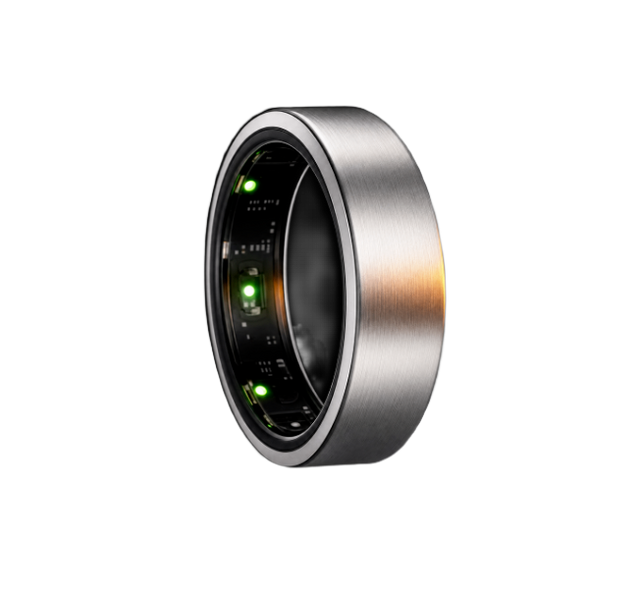
- Pat the ring dry with a soft, lint-free cloth, including the inside where the sensors sit.
- Leave it in the open air for a while if any water is left in the gaps.
- Check the charging contacts on the ring and the charger are dry before you dock it.
- Do not use a hairdryer, radiator or oven to speed things up.
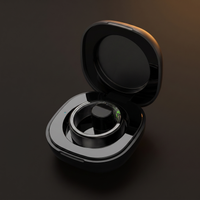
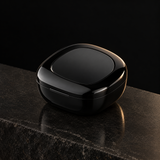
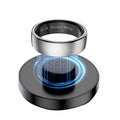
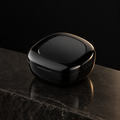
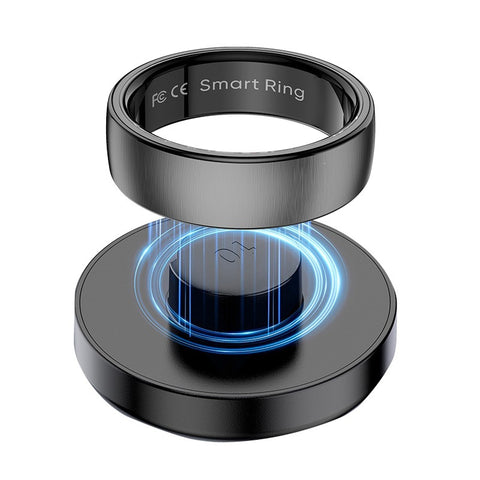
PulseRing Pro takes about 90 minutes to charge from flat to full. A top-up while you get ready after a swim is usually enough. Away from home, the PulseRing Pro Charging Case docks and tops up the ring over USB-C. Our guide to charging and caring for a smart ring covers the rest of the routine.
Does water resistance wear out?
It can. Apple says water resistance is not a permanent condition. Drops and impacts are among the things that affect it. A smart ring takes knocks every day, from door handles to dumbbells. Keep it out of heat it is not designed for, and rinse off chemicals rather than letting them dry on. Our frequently asked questions cover the basics of water and your ring.
Frequently asked questions
Can you swim with a smart ring?
Yes, if it has a swim-level rating such as 5ATM. PulseRing Pro is rated 5ATM, water resistant to 50 metres. You can wear it for pool swimming and in the sea. It is not suitable for scuba diving, which needs a dedicated dive rating. Rinse the ring in fresh water after swimming and dry it before charging.
Is 5ATM waterproof?
No device is truly waterproof. 5ATM means water resistant to a pressure equal to 50 metres of still water in a test. In practice, that covers showering, swimming, snorkelling and diving into a pool. Moving water adds pressure, so 5ATM is not a scuba rating. Soap, chemicals, heat and knocks can also weaken seals over time.
Can I wear my smart ring in the shower?
Yes, a 5ATM ring handles shower water. The bigger risk is soap and shampoo, which can affect water seals and get trapped against your skin. Rinse under the ring with clean water before you get out. Then dry your finger and the inside of the ring. If the skin under the ring gets red or itchy, let it dry out properly.
Can I wear a smart ring in a sauna or hot tub?
Check your own brand's guidance, because brands disagree. Water ratings test pressure, not heat. PulseRing Pro's 5ATM rating covers showering, swimming and the sea. It says nothing about saunas or steam rooms, so take it off for those. We also recommend taking it off in a hot tub, because heat is outside what a water rating tests.
Does salt water damage a smart ring?
A 5ATM ring is fine for sea swimming, but salt and sand should not be left to dry on it. Rinse the ring in fresh water after every sea swim. Pat it dry with a soft, lint-free cloth. Make sure the ring and the charging contacts are fully dry before you charge it.
Sources
- Water rating definitions, Garmin
- ISO 22810:2010 Horology: water-resistant watches, International Organization for Standardization
- Ingress Protection (IP) ratings, International Electrotechnical Commission
- About Apple Watch water resistance, Apple Support, 2026
- If you see a liquid-detection alert on your iPhone, Apple Support
- General FAQs, Oura Member Care
- Contact dermatitis, NHS
This article is for general information and is not medical advice. PulseRing Pro is a wellness device, not a medical device, and does not diagnose or treat any condition. If you are worried about your health, speak to your GP or a qualified clinician.

Smart ring battery life: how to charge and care for titanium
How long a smart ring battery lasts, brand by brand, how to charge it so the battery stays healthy for years, and how to clean and look after a titanium ring.

Smart ring at the gym: lifting, grip and how to protect it
Which gym exercises are fine with a smart ring on, which call for a protector, when to take it off, and how to use your morning readiness score to plan heavy days.

WHOOP alternatives with no subscription: rings and bands compared
The main WHOOP alternatives without a membership, from a one-off smart ring to screenless bands, compared with WHOOP on cost, comfort, sleep, recovery and training.