














To lower your resting heart rate, build aerobic fitness with regular brisk walking, cycling, running or swimming, stop smoking, drink less alcohol and keep your bedtime steady. Cutting alcohol or late nights can show up the next night. A fitness effect usually takes two to three months and is often a few beats per minute.
Below: what each change does in numbers, a realistic timeline, how to tell whether it is working, and when a high or very low heart rate needs a GP or doctor. For what counts as normal in the first place, see our guide to normal resting heart rate.
Key takeaways
- Regular aerobic exercise is the most reliable way to lower resting heart rate. In trials lasting a median of 12 weeks, it fell by about 4 bpm on average.
- Stopping smoking, drinking less and going to bed at a steady time act faster, often within a day or a night.
- Expect a few beats, not 20. Your fitness can improve a lot while your resting rate moves only a little.
- Judge progress on weekly averages measured the same way, not on single readings.
- A resting rate that is consistently above 100, or slow with fainting, dizziness or tiredness, needs a GP before you try to train it down.
What lowers resting heart rate? The evidence in numbers
Most advice lists the same habits without saying how much each one moves the number, or how soon. Here is what the research found.
| Change | What the research found | How soon it shows |
|---|---|---|
| Aerobic (endurance) exercise | Average fell from 72.4 to 68.0 bpm across 121 trial groups | Weeks to months |
| Yoga | Average fell from 76.1 to 70.4 bpm across 21 trial groups | Weeks to months |
| Strength training alone | Smaller effect: 69.1 to 67.8 bpm | Weeks to months |
| Stopping smoking | Fell by about 9 bpm a day after quitting in a small study, and stayed lower for a year | About a day |
| Drinking less | Each drink above your usual linked with an overnight rate about 2.4 to 2.8 bpm higher | The next night |
| A steady bedtime | Going to bed later than usual linked with a slightly higher rate that lasted into the next day | The next night |
| Cutting coffee | 3 to 6 cups a day made no significant difference to resting heart rate in trials | Unlikely to change the number |
The exercise rows come from a 2018 meta-analysis of 191 studies by Reimers and colleagues, in which control groups barely changed (72.3 to 71.9 bpm in the endurance trials). The other rows are explained below.
1. Build your aerobic fitness
This is the best-studied lever. The Reimers review covered almost 13,000 people in programmes lasting a median of 12 weeks, about three sessions a week, and endurance training lowered resting heart rate in both men and women. People who started with a higher rate saw bigger drops, and older groups saw smaller ones, so a high number has more room to come down.
How much exercise do you need?
Start with the UK's NHS physical activity guidelines (the Cleveland Clinic gives the same weekly totals from the American Heart Association): at least 150 minutes of moderate activity a week or 75 minutes of vigorous activity, spread over 4 to 5 days or every day. Moderate means you can still talk but not sing. Brisk walking, riding a bike, dancing and hiking count as moderate; running and swimming count as vigorous. If you have not exercised for some time, or you have a medical condition, the NHS advises speaking to your GP first.
Does walking lower resting heart rate?
Yes, for many people. In a meta-analysis of 13 studies in sedentary adults aged 60 and over, most programmes used walking. Resting heart rate fell by about 8.4%, and programmes lasting more than 30 weeks produced bigger drops than shorter ones: 8.37 against 4.86 bpm.
What about weights and yoga?
Keep strength training for its other benefits (the NHS recommends it on at least 2 days a week), but do not expect it to move your resting rate much. Yoga groups saw a drop similar to endurance training, although the yoga studies varied more.
Your fitness can improve faster than your heart rate falls
In the HERITAGE study, adults followed a 20-week endurance programme. Their aerobic fitness (VO2max) rose by 16% to 18%, but their resting heart rate fell by only about 2.6 to 2.7 bpm on average. If your number moves slowly, the training is still working.
2. Stop smoking
The British Heart Foundation (BHF) names smoking among the habits that change heart rate, and quitting can work fast. In a 1992 study that followed 11 smokers through their first year without cigarettes, average heart rate fell by about 9 bpm, from 74 to 65, one day after quitting. A year later it was still about 66. It was a small study: three people's rates drifted back up, and one returned fully to its old level between months 3 and 6, but most stayed lower.
3. Drink less, and earlier
A 2026 study by Grosicki and colleagues analysed more than 5 million days of wearable data from 20,968 people. Having one drink more than usual, compared with one fewer, was linked with an overnight resting heart rate 2.8 bpm higher in women and 2.4 bpm higher in men.
Drinking earlier in the evening and sleeping longer afterwards were both linked with smaller rises. A few alcohol-free weeknights is one of the quickest ways to see your own trend come down. More in our guide to alcohol and sleep.
4. Keep your bedtime steady
How regularly you sleep matters, not only how long. In a study of 557 students and 255,736 nights tracked with wrist wearables, going to bed even 30 minutes later than usual was linked with a higher resting heart rate throughout sleep that lasted into the next day, settling only in the early evening. Going to bed an hour or more earlier than usual also raised the rate during sleep, but it was back to normal by morning.
Each late night added only a fraction of a beat, but a bedtime that swings from night to night keeps nudging the number up. A fixed wake time and a steady bedtime are a simple place to start.
5. Look after stress, heat, hydration and illness
The BHF lists infections and viruses, anaemia, an overactive thyroid, anxiety and stress, high temperatures and being dehydrated as causes of a fast heart rate. Some you can manage yourself: drink enough on hot days and after exercise, rest properly when you are unwell, and find a way to switch off that you will keep up. Others, like anaemia or thyroid problems, need a GP. Weight plays a part too: the Cleveland Clinic notes that obesity is a risk factor for a faster than normal heart rate.
Does caffeine raise your resting heart rate?
Less than most people think. A 2024 meta-analysis by Han and colleagues pooled 6 randomised trials in 485 generally healthy adults who drank 3 to 6 cups of coffee a day for 2 to 24 weeks. Resting heart rate did not change significantly, though the trials were few and short. Caffeine still matters: the NHS lists caffeine among common triggers of heart palpitations, and late coffee can shorten your sleep. Moving it earlier is a better bet than cutting it out. See our guide to caffeine and sleep.
How long does it take to lower your resting heart rate?
It depends on what you change. You cannot lower your resting heart rate on the spot, as the Cleveland Clinic points out, but some changes show up quickly:
- The next night: fewer drinks and a bedtime close to your usual one.
- Within about a day: stopping smoking, based on the small study above.
- As you recover from illness: the BHF notes that heart rate commonly rises with an infection, fever or virus, so expect your numbers to read high until you are better.
- 8 to 16 weeks: the typical length of the exercise trials in the Reimers review, where resting heart rate fell by about 4 bpm on average.
- 30 weeks or more: longer programmes produced bigger drops in older adults.
A realistic goal is a few beats per minute over a few months: more if you start high, less if you are already fit or older.
How to tell if it is working
Your resting heart rate moves from day to day, so single readings mislead. A few habits make the trend readable:
- Measure the same way every time: overnight with a wearable, or first thing in the morning before you get up. Our resting heart rate guide explains how to take a manual reading.
- Compare weekly averages: look at a four-week block before you changed something and a four-week block after.
- Ignore spoiled weeks: illness, travel or a heavy weekend can lift the average for days.
- Change one thing at a time: otherwise you cannot tell which change worked. Our 14-night sleep experiment sets out a simple method you can use for any single habit.
- Watch HRV alongside it: heart rate variability often moves with resting heart rate. See how to improve HRV.
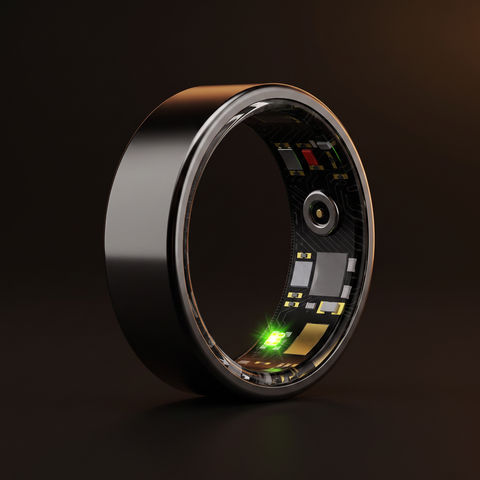
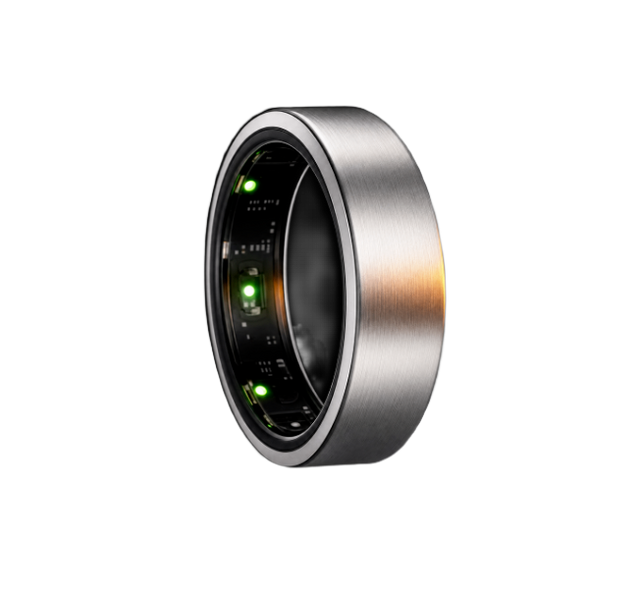
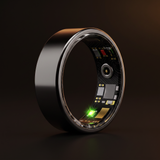
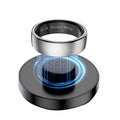
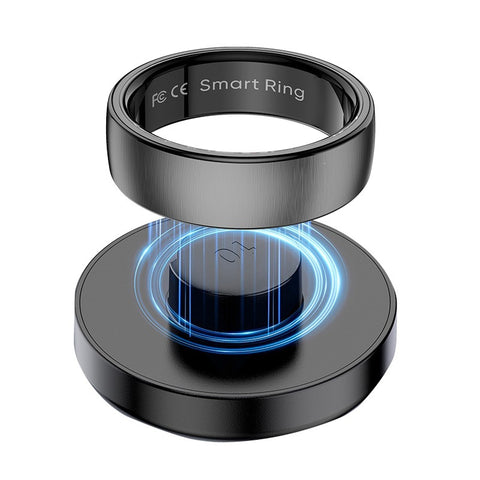
PulseRing Pro tracks your heart rate from your finger while you sleep, so you can follow your resting heart rate trend night by night and see whether a month of walking or a run of alcohol-free weeknights moves your own baseline. It tracks the trend. It does not diagnose anything or tell you whether a reading is medically normal. After about two weeks of wear it knows your baseline, and each morning it gives one readiness score and one plain call: push, maintain or rest. £89, with no subscription.
When to see a GP about a high or very low resting heart rate
Training a high resting rate down only makes sense once other causes are ruled out: the Reimers review itself says treatable causes such as anaemia, heart conditions or an overactive thyroid should be excluded first. Based on BHF and NHS guidance, see a GP, or your own doctor outside the UK, if:
- your resting heart rate is consistently fast (the BHF calls above 100 bpm too fast for most people), slow or irregular, especially if you also feel faint or dizzy
- your rate is below 60 and you have symptoms such as fainting or tiredness (a slow rate can be normal if you are very fit, but not with symptoms)
- you notice palpitations that keep coming back, are happening more often or last longer than a few minutes
- your heart rate changes after starting a new medicine, as some, such as beta blockers, slow it on purpose
- you have a heart condition and want to know what heart rate is safe when you exercise
Call 999 or go to A&E (or your local emergency number outside the UK) if you have palpitations (a racing, pounding, fluttering or irregular heartbeat) together with chest pain, shortness of breath, feeling dizzy or lightheaded, or fainting. The NHS advice on heart rhythm problems says not to drive yourself: ask someone to take you or call an ambulance. If the symptoms have stopped, ask your GP surgery for an urgent appointment or call 111.
Frequently asked questions
How long does it take to lower your resting heart rate?
Some changes show the next night, such as drinking less or keeping a steady bedtime. In one small study, heart rate fell about a day after people stopped smoking. Exercise takes longer: in trials lasting a median of 12 weeks, resting heart rate fell by about 4 bpm on average, and longer programmes produced bigger drops in older adults.
What is the fastest way to lower resting heart rate?
Removing something that is pushing it up is usually fastest: stopping smoking, cutting back on alcohol, keeping a regular bedtime and recovering properly from illness. Building fitness with aerobic exercise gives the most reliable long-term drop but takes weeks to months. If your rate is consistently above 100 at rest, see a GP before trying to train it down.
Can you lower your resting heart rate immediately?
No. Your heart rate in the moment will settle when you sit still, cool down and relax, but your resting heart rate is a baseline that changes over days, weeks and months. If your heart is racing at rest with chest pain, shortness of breath, dizziness or fainting, call 999 or your local emergency number.
Does walking lower your resting heart rate?
It can. Brisk walking counts as moderate exercise in NHS guidance, and in a meta-analysis of 13 studies in sedentary adults aged 60 and over, where most programmes used walking, resting heart rate fell by about 8.4%. Aim for at least 150 minutes of moderate activity a week, spread across several days.
Is a lower resting heart rate always better?
Not always. The BHF says a rate below 60 can be normal in very fit people, and some medicines such as beta blockers slow the heart on purpose. A slow rate with fainting, dizziness, breathlessness or tiredness needs a GP. Aim to bring a high rate down through fitness and habits, not to chase the lowest number.
Does caffeine raise your resting heart rate?
Not much, on current evidence. A 2024 meta-analysis of 6 trials found that 3 to 6 cups of coffee a day for up to 24 weeks did not significantly change resting heart rate in healthy adults. Caffeine can still trigger palpitations in some people and disturb sleep, so keep it to earlier in the day.
Sources
- Reimers AK, Knapp G, Reimers CD. Effects of Exercise on the Resting Heart Rate: A Systematic Review and Meta-Analysis of Interventional Studies, Journal of Clinical Medicine, 2018
- Wilmore JH et al. Endurance exercise training has a minimal effect on resting heart rate: the HERITAGE study, Medicine and Science in Sports and Exercise, 1996
- Huang G et al. Resting heart rate changes after endurance training in older adults: a meta-analysis, Medicine and Science in Sports and Exercise, 2005 (DARE summary, Centre for Reviews and Dissemination)
- Persico AM. Persistent decrease in heart rate after smoking cessation: a 1-year follow-up study, Psychopharmacology, 1992
- Grosicki GJ et al. Real-world effects of alcohol on heart rate, sleep, and physical activity by age and sex, PLOS Digital Health, 2026
- Faust L et al. Deviations from normal bedtimes are associated with short-term increases in resting heart rate, npj Digital Medicine, 2020
- Han S et al. A meta-analysis and systematic review of randomized clinical trials on the effect of coffee consumption on heart rate, Nutrition Reviews, 2024
- Heart rate: what's normal and how to check it, British Heart Foundation, 2026
- Physical activity guidelines for adults aged 19 to 64, NHS, 2024
- Heart palpitations, NHS, 2026
- Heart rhythm problems (arrhythmia), NHS, 2024
- High Resting Heart Rate? Here's How To Slow It Down, Cleveland Clinic, 2025
This article is for general information and is not medical advice. PulseRing Pro is a wellness device, not a medical device, and does not diagnose or treat any condition. If you are worried about your health, speak to your GP or a qualified clinician.