




How to use a peanut massage ball: 6 step-by-step exercises
Step-by-step peanut massage ball exercises for the upper and lower back, glutes, hamstrings, calves and feet, with timings, pressure and vibration guidance, and when not to use one.

In this article
To use a peanut massage ball, place it under the muscle you want to work. Let your body weight press down. Roll slowly for 60 seconds to 90 seconds per area. On your back, the spine sits in the groove between the two balls. Pressure lands on the muscles either side, never on the bone. Keep it firm but comfortable.
Below are step-by-step exercises for the upper back, lower back, glutes, hamstrings, calves and feet. Then how long to spend on each, how hard to press and how to use vibration. Last, when not to use one at all.
Key takeaways
- Spend 60 seconds to 90 seconds on each area. One review found 90 seconds per muscle was the minimum dose linked with less soreness.
- On the back, keep your spine in the groove. Pressure goes on the muscles either side, never on the bone.
- Press firmly enough to feel it. Never press so hard that you hold your breath, tense up or feel sharp pain.
- Start vibration on the lowest speed. Evidence that it adds much is mixed.
- Do not roll over a swollen, red or painful calf, a recent injury, or any area with numbness or tingling.
Before you start: the basics of using a peanut massage ball
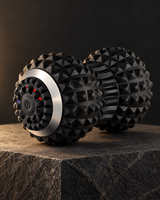
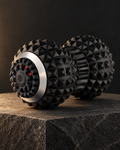
A peanut ball is two balls joined by a groove. That shape matters most on your back. The groove lets your spine sit between the balls. Pressure then goes on the long muscles either side, not the bones. On your legs and feet, use one end or the whole peanut.
How long to spend on each area
A 2019 systematic review by Hughes and Ramer looked at how long people should roll for. Seven of eight studies on soreness found a short-term reduction. About 90 seconds per muscle appeared to be the minimum dose that helped. The review found no clear upper limit, but also no evidence that rolling improves performance.
A practical routine is 60 seconds to 90 seconds per area, one or two areas per sitting. A full routine of six areas takes about 10 minutes. Pick the areas that feel tight. You do not need all of them every day.
How hard to press
Aim for a pressure you can relax into and breathe through. Ease off if you catch yourself holding your breath, clenching your jaw or tensing the muscle. You control pressure by how much weight you put through the ball. Lift your hips, lean on your hands or shift weight to the other leg to make it lighter.
On a tender spot, pause for a few slow breaths, then move on. The aim is to feel looser afterwards, not bruised.
How to use vibration
Start on the lowest speed and roll for a session or two before trying higher speeds. Some people find vibration makes pressure feel more comfortable. The evidence on whether it adds a real benefit is mixed.
A 2021 meta-analysis in the Journal of Exercise Rehabilitation looked at healthy adults. Vibrating foam rollers improved range of motion more than standard rollers, but the studies were only of fair quality. Our comparison of massage balls, foam rollers and massage guns covers the wider research. Treat vibration as a matter of preference, not a stronger treatment.
Peanut massage ball exercises, step by step
Use a firm floor or yoga mat, or a wall for gentler pressure. Move slowly, and never push into sharp pain.
1. Upper back
The area around the shoulder blades is where a peanut ball works best.
- Sit on the floor with your knees bent and feet flat.
- Place the peanut ball behind you, sideways across your back, at the level of your shoulder blades.
- Lie back so your spine rests in the groove and one ball sits either side.
- Cross your arms over your chest to spread the shoulder blades. Support your head with your hands if you prefer.
- Keep your hips on the floor for lighter pressure, or lift them slightly for more.
- Push gently through your feet to roll the ball a few centimetres up and down. You can let it rest at the base of your neck, but keep it off the front and sides.
- Spend 60 seconds to 90 seconds, pausing on any tender spots for a few slow breaths.
2. Lower back
Go gentler here. The lower back has no ribs to spread the pressure. Start against a wall, or with very light pressure on the floor.
- Stand with your back to a wall, feet about a step away from it.
- Place the peanut ball across your lower back, just above your belt line. Your spine sits in the groove with one ball either side.
- Lean back into the wall so the ball is held in place.
- Bend and straighten your knees slowly so the ball rolls a short distance up and down.
- Keep the pressure on the muscles either side of the spine. Never press on the bone, and do not roll over the tailbone.
- Spend about 60 seconds. If you try it on the floor later, keep your hips down rather than lifting them.
Back pain that is severe, getting worse or comes with other symptoms needs a doctor, not a massage ball. The NHS back pain guidance lists the warning signs.
3. Glutes
- Sit on the floor and place one end of the peanut ball under one buttock.
- Lean your weight towards that side, supporting yourself with your hands behind you.
- For more pressure, cross that ankle over the opposite knee.
- Make small circles or short rolls across the muscle.
- Spend 60 seconds to 90 seconds, then switch sides.
4. Hamstrings
- Sit on the floor with your legs straight, or on a firm chair.
- Place the peanut ball under the back of one thigh, midway between your knee and buttock.
- Take some weight through your hands to control the pressure.
- Roll slowly up towards your buttock and back down. Stop well short of the back of the knee.
- Spend 60 seconds to 90 seconds, then switch legs.
5. Calves
- Sit on the floor with your legs out in front.
- Place the peanut ball under one calf, below the back of the knee.
- Lift your hips slightly, supporting your weight on your hands.
- Roll slowly from just below the knee down towards the ankle, and back.
- For more pressure, rest the other leg on top. Point and flex your foot as you roll.
- Spend 60 seconds to 90 seconds, then switch legs.
6. Feet
- Sit on a chair with your foot flat on the floor.
- Place one end of the peanut ball under the arch of your foot.
- Press down gently and roll from the ball of your foot towards the heel and back.
- For more pressure, stand and hold on to something. Stay gentle, because the sole is sensitive.
- Spend about 60 seconds, then switch feet.
A 10-minute routine
This simple plan covers the main areas in roughly 10 minutes. That matches the Peak Peanut Pro's automatic switch-off after 10 minutes of continuous use.
| Area | Time | Pressure tip |
|---|---|---|
| Upper back | 90 seconds | Spine in the groove, hips down to start |
| Lower back | 60 seconds | Against a wall, lightest pressure |
| Glutes | 60 seconds each side | Cross the ankle over the knee for more |
| Hamstrings | 60 seconds each leg | Stop short of the back of the knee |
| Calves | 60 seconds each leg | Stack the other leg on top for more |
| Feet | 30 seconds to 60 seconds each foot | Seated, gentle pressure |
What results can you expect?
Expect to feel looser for a while, not transformed. A 2022 meta-analysis by Konrad and colleagues compared single bouts. Foam rolling increased range of motion about as much as stretching did.
Over weeks, a second 2022 meta-analysis found rolling plans improved range of motion. Plans lasting more than four weeks did better. Gains showed up for the hamstrings and quadriceps. Rolling the calves did not improve ankle flexibility.
On recovery, a 2019 meta-analysis in Frontiers in Physiology found the effects of rolling were small. It supported rolling more as part of a warm-up than as a recovery tool.
So use the peanut ball before training, or in the evening if it helps you feel looser. Keep sleep and easy days as the foundation. Our guide to active recovery and rest days covers that side. For soreness after a hard session, our guide to DOMS explains what else helps.
When not to use a peanut massage ball
- Directly on the spine, the tailbone or any bony area.
- Behind the knee, on the front or sides of the neck, or in the armpit.
- Over bruises, broken skin, swelling, varicose veins or a recent injury.
- On a calf that is swollen, throbbing, warm or red. The NHS lists these as possible signs of a blood clot (DVT). That needs an urgent GP appointment or NHS 111. Call 999 if you are also short of breath or have chest pain.
- On any area with numbness, tingling or pins and needles. Stop and seek advice.
- On your feet if you have diabetes or reduced feeling in your feet. The NHS plantar fasciitis guidance advises seeing a GP about foot pain in either case.
Some people should ask a GP, midwife or physiotherapist first, especially before using a ball that vibrates. That includes anyone who is pregnant, has a bleeding disorder or takes blood thinners. It also includes anyone with a condition affecting bones, blood vessels or circulation.
The Peak Peanut Pro is a peanut-shaped massage ball. Its groove sits over the spine, so pressure goes either side. It has a silicone surface with raised nodes, three vibration speeds and a cycling mode. It switches itself off after 10 minutes and charges by USB, with about 90 minutes of use per charge. It costs £54.99. It is a comfort and self-massage tool, not a treatment for injury.
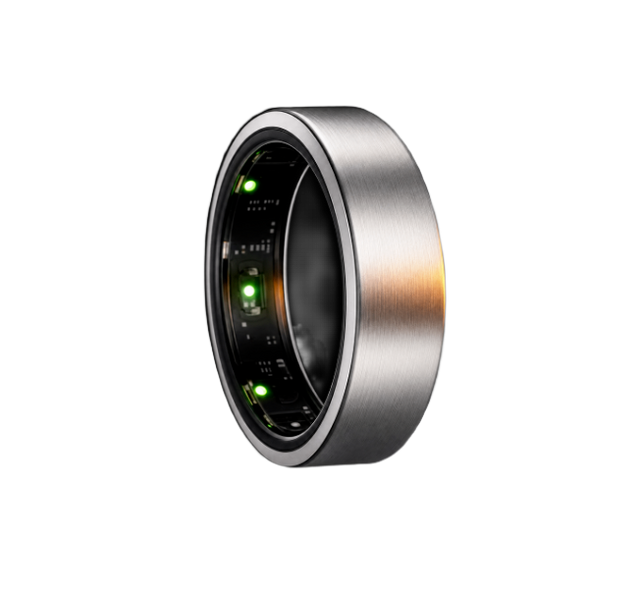
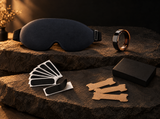
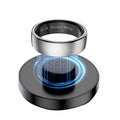
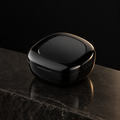
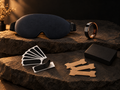
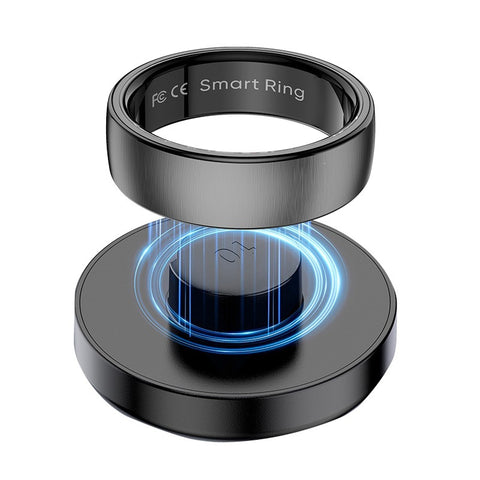
Want to see how your body is recovering as well as how it feels? The Total Recovery System (£149) pairs the Peak Peanut Pro with the PulseRing Pro smart ring. A charging case and a protector are included too. The ring gives you one readiness score each morning and one plain call: push, maintain or rest.
Frequently asked questions
How do you use a peanut massage ball on your back?
Lie on your back with knees bent and the peanut ball across your upper back, spine in the groove. Push gently through your feet to roll a few centimetres up and down. Keep going for 60 seconds to 90 seconds. For the lower back, use a wall and lighter pressure. Never press on the spine.
How long should you use a peanut massage ball for?
About 60 seconds to 90 seconds per area is a good guide. A review of rolling studies found around 90 seconds per muscle was the minimum dose linked with less soreness. A full routine takes about 10 minutes. Longer or harder sessions are not better.
Can you use a peanut massage ball on your lower back?
Yes, gently. Start standing against a wall with the ball across your lower back and your spine in the groove. Keep pressure light, because there are no ribs to spread it. Never roll on the bone or the tailbone. Stop if you feel sharp pain, numbness or tingling.
Can you use a peanut massage ball on your neck?
Yes, gently, at the back of the neck. Lie back with the groove at the base of your neck for a minute or two. Keep it off the front and sides of the neck. For a stiff neck after screen time, gentle movement also helps. Our guide to tech neck covers the NHS exercises. See a GP if neck pain comes with arm tingling or numbness.
Should I use vibration on a massage ball?
If you like how it feels, yes. Start on the lowest speed and build up. One meta-analysis found vibrating rollers improved range of motion more than standard rollers. The studies were only of fair quality, though, and results elsewhere are mixed.
When should you not use a massage ball?
Avoid the spine and other bony areas, the back of the knee and the front and sides of the neck. Do not roll over bruises, swelling, broken skin, varicose veins or a recent injury. Never roll a calf that is swollen, warm, red or throbbing. That can be a blood clot and needs urgent advice.
Sources
- Hughes GA, Ramer LM. Duration of myofascial rolling for optimal recovery, range of motion, and performance: a systematic review of the literature, International Journal of Sports Physical Therapy, 2019
- Konrad A et al. A comparison of a single bout of stretching or foam rolling on range of motion in healthy adults, European Journal of Applied Physiology, 2022
- Konrad A et al. Foam rolling training effects on range of motion: a systematic review and meta-analysis, Sports Medicine, 2022
- Wiewelhove T et al. A meta-analysis of the effects of foam rolling on performance and recovery, Frontiers in Physiology, 2019
- Park SJ et al. Effect of vibration foam rolling on the range of motion in healthy adults: a systematic review and meta-analysis, Journal of Exercise Rehabilitation, 2021
- Back pain, NHS
- DVT (deep vein thrombosis), NHS
- Plantar fasciitis, NHS
This article is for general information and is not medical advice. PulseRing Pro is a wellness device, not a medical device, and does not diagnose or treat any condition. If you are worried about your health, speak to your GP or a qualified clinician.

Massage ball for back vs foam roller vs massage gun: what works?
An evidence-led comparison of massage balls, foam rollers and massage guns, with a safe how-to for your back, when to use a ball, and clear advice on when to see a GP.

Deload Week: What It Is, When to Deload and How to Do It
What a deload week is, what the limited research shows, how often to take one, ready-to-use deload weeks for lifting and endurance training, and how HRV trends can help with tim...

Tech Neck: What It Is, What the Evidence Says and What Helps
What tech neck really is, why the scary head-weight numbers come from a computer model, what studies of real people found, and the movement, strength, sleep and screen changes t...